

 See My Latest Article on HelloNation
What Does a Hazmat Truck Driver Actually Do Each Day?
A hazmat truck driver’s workday in Belleville, IL revolves around the safe transportation of hazardous materials that could harm people, property, or the environment if not handled properly. Unlike routine freight, these drivers must follow strict rules and respond quickly to changing road, weather, and safety conditions. Their day usually starts before sunrise and can stretch long past sunset, often including checks of chemicals or fuels used by local industries, construction, and municipal services.
Drivers inspect their vehicles, ensure all paperwork is current, and map their routes to comply with restricted roads or bridge limits near homes, schools, and local neighborhoods. Throughout the day, they maintain regular communication with dispatch to report locations, traffic issues, and weather events, particularly in spring storm seasons or winter snow.
How Does a Hazmat Driver Prepare Before Hitting the Road?
Preparation is the backbone of hazmat trucking. Each morning, drivers inspect both their truck and the hazardous materials they’ll carry. Federal and Illinois regulations require that trucks used for hazmat loads are free from leaks and mechanical issues. Locally, the importance of this step is elevated by the mix of residential areas, historic districts, and nearby agricultural land.
A typical morning routine consists of:
- Checking tire pressure, lights, and brakes
- Inspecting seals and securing hazardous cargos—like fuel, solvents, or industrial gases
- Double-checking shipping papers and emergency response guides
- Verifying safety equipment: fire extinguishers, spill kits, protective gear, and reflective triangles
- Confirming that route plans avoid sensitive locations, such as area schools and water reservoirs
Each detail reduces the chance of incidents and ensures quick, calm responses if problems arise.
Which Routes and Regulations Shape the Day in Belleville?
Local geography and regulations heavily influence a hazmat driver’s route choices and delivery timelines. Drivers must avoid restricted roads—often marked with “No Hazardous Materials” signs—which run close to schools, hospitals, or community centers. In Belleville and its surroundings, some bridges and tunnels also place restrictions on what substances can safely travel through.
Road conditions in the area may change quickly due to construction, severe weather, or high-traffic periods, meaning route plans are often adjusted on the fly. For example:
- During summer, intense storms may down trees or cause flooding, making detours necessary
- In winter, icy intersections and snow accumulation near residential neighborhoods cause delays or require pre-treated roadways
- Road work is common in growing suburban sections, affecting delivery windows to local manufacturing or municipal facilities
Each trip is unique, and staying compliant means not only knowing the roads, but also networking with dispatchers and sometimes local authorities.
What Safety Gear and Training Are Required Throughout the Day?
Hazmat drivers in the community carry more than standard trucking certifications. They complete specialized training covering the safe handling, documentation, and emergency protocols for hazardous cargo.
During the day, drivers wear and use gear such as:
- Chemical-resistant gloves and safety glasses
- Fire-retardant vests and steel-toe boots
- Respirators (for certain chemicals)
- A logbook and digital tracking tools for compliance
Periodic refresher trainings are mandatory, with updates tailored to any new substances moved through the city or changes to highway signage. Truck drivers also do routine checks of first-response guides, ensuring they can communicate clearly during any incident—whether a minor spill or a traffic collision.
What Surprises or Challenges Do Drivers Face in a Typical Workday?
Unexpected events are common, especially when transporting hazardous products. A few recurring challenges include:
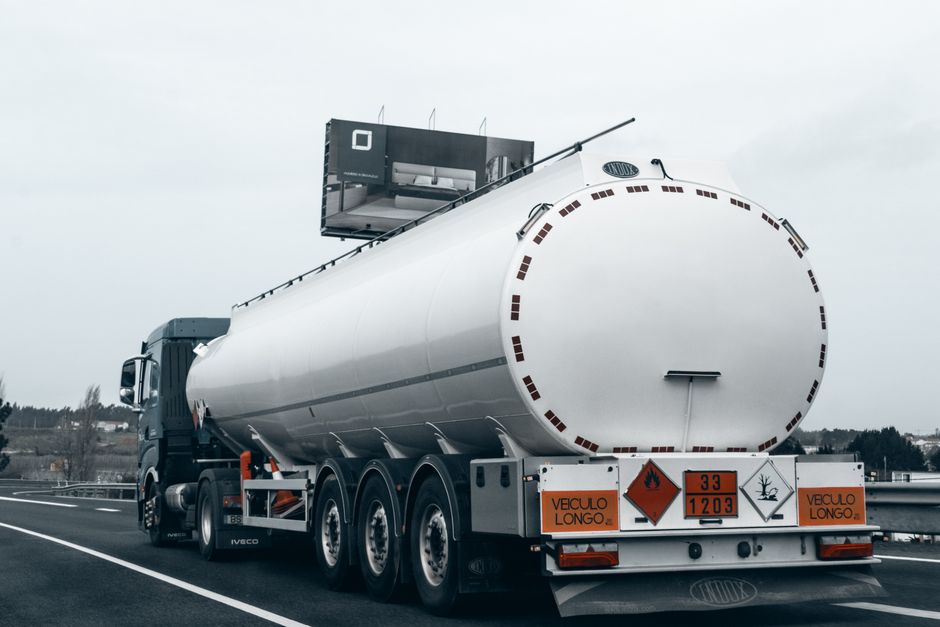
- Sudden traffic jams near event venues, requiring swift but safe detours
- Mechanical breakdowns, which can present higher risks while carrying chemical loads
- Navigating local ordinances during festivals or parades, which can block regular routes
Another overlooked factor is public perception. Residents sometimes express concerns when seeing hazmat trucks near neighborhoods. Sharing basic facts about what’s onboard and why the route is safe is occasionally part of the driver’s role. Drivers aim to reassure local residents and always follow posted routes, especially near sensitive sites.
What Happens During Delivery and Unloading?
Upon reaching a delivery location, whether an industrial customer, utility station, or municipal facility, drivers follow step-by-step safety protocols. These often differ slightly depending on the recipient’s site and rules but generally include:
- Re-checking manifests and communicating with onsite staff
- Donning specific protective equipment and posting warning signs
- Grounding the truck during fuel transfers to prevent sparks
- Carefully monitoring all hoses, fittings, and gauges during unloading
- Completing documentation and confirming the safe transfer with the recipient
Drivers use this time to double-check their vehicle and ensure no residual risks before departing for their next assignment or returning to base.
What Are the Most Common Misconceptions About Hazmat Truck Drivers?
Some local residents believe hazmat truck drivers simply drive longer routes or transport only the most dangerous chemicals. In reality, these professionals are safety advocates who move materials essential to daily life in the area: fuels for heating, water treatment agents, medical gases, and agricultural inputs. Another misconception is that incidents involving hazardous materials happen often. In fact, strict training, careful route management, and regular inspections mean the vast majority of loads are delivered without problems. When incidents do occur, communication and professionalism help resolve them quickly, limiting risk to area households and infrastructure.
How Do Local Conditions Influence the Experience?
Belleville’s mix of rural, suburban, and historic urban zones shapes many aspects of a hazmat driver’s work. Road types vary widely, from wide state routes serving manufacturing zones to narrow streets lined with older homes. During winter, the region’s snow and ice demand extra preparation, while summer brings thunderstorms and strong winds that require drivers to adapt their schedules.
Community input is significant, with local planning decisions affecting which roads are accessible for hazmat transport, how often routes shift, and where overnight parking is allowed. Drivers are often among the first to notice changing patterns in city life—road construction, new neighborhoods, or shifts in industrial activity.