

 See My Latest Article on HelloNation
How Can You Spot Hazardous Materials Transported on Belleville, IL Roads?
Many in Belleville, IL see large trucks and tankers while driving local highways and city streets. Some of these vehicles carry substances that are dangerous to people or the environment. Spotting them is possible for attentive drivers, pedestrians, and residents by noticing visual clues and understanding local protocols.
Hazardous materials—known as “hazmat”—include chemicals, fuels, gases, and even certain waste products. Trucks transporting such materials follow federal and state regulations, but it’s important for the community to know how to recognize them for personal safety and neighborhood awareness.
What Visual Signs Indicate Hazardous Materials Are Being Transported?
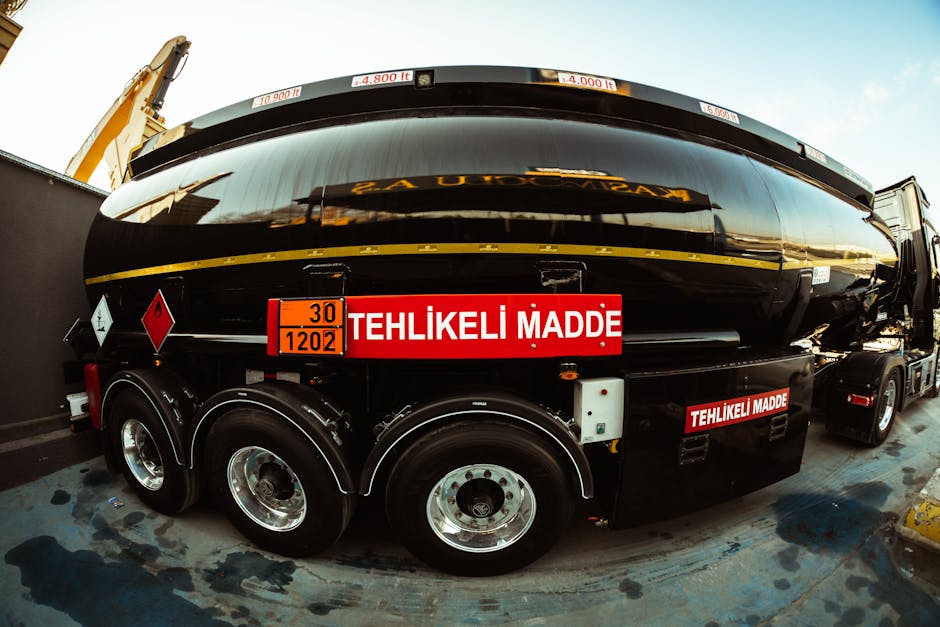
The most reliable sign is special signage on the truck or vehicle. These indicators are visible and follow strict rules:
- Placards: Diamond-shaped signs (10.8 inches per side) displayed on four sides of trucks.
- Color and symbols reflect the specific danger (e.g., red for flammable, yellow for oxidizers)
- Numbers at the bottom identify the class of hazard
- Labels: Smaller, similar versions of placards; typically visible on packages, not trucks
- UN Numbers: Four-digit numbers on the placard or printed on an orange panel, unique to the substance being carried
It’s common to see these placards on major roads like Illinois Route 15, Interstate 64, and industrial routes leading in and out of the city, but smaller local roads may also see hazmat transit, especially near rail lines or industrial areas.
Which Hazard Classes Are Most Common Locally?
Belleville sees regular transport for several primary hazard classes due to agriculture, manufacturing, and highway connectivity. Common types include:
- Class 3 (Flammable liquids): Gasoline, diesel, solvents — red placard, flame symbol
- Class 2 (Gases): Propane, anhydrous ammonia, oxygen — often in tanker trucks, different colored placards for each type
- Class 8 (Corrosives): Acids for industrial cleaning, water treatment supplies — black and white placard
- Class 9 (Miscellaneous dangerous goods): Includes environmentally hazardous substances found in local waste shipments
Some chemicals have odors, but most hazardous shipments can only be identified visually—not by smell or sight of the cargo itself.
What Are Common Misconceptions About Hazmat Identification?
Many believe any large tanker or unmarked truck could be carrying hazardous materials. In fact, strict rules require visible placards for all regulated hazardous material shipments. Unmarked trucks with no placards are legally not allowed to transport such loads.
Some also mistake regular fuel deliveries or industrial vehicles as hazmat shipments if they appear “industrial,” but not all are hazardous. Only those with official placards or DOT markings are required to follow emergency protocols set by the local fire department and Illinois Emergency Management Agency.
Why Should Residents Recognize These Materials?
Recognizing hazardous shipments helps residents avoid unsafe situations, report hazardous spills accurately, and follow emergency instructions. Being able to describe hazard placards or vehicle type can speed up local emergency response.
This awareness is especially relevant in areas near schools, parks, or residential streets where children play and more vulnerable road users are present. Heavy trucks often use designated routes, but detours, accidents, or rail unloading can bring them through residential zones.
What Should You Do If You Witness a Hazmat Incident in Belleville?
If a truck with hazmat placards is involved in an accident, leaking, or emitting unusual odors, immediate safety practices apply:
- Move away from the area: Head uphill and upwind if possible, especially if outdoors
- Stay indoors if near your home: Close windows and turn off ventilation systems if directed by local authorities
- Call 911: Provide details from the placard (colors, hazard class, UN number)
- Do not try to assist or approach: Hazmat spills can be dangerous even without visible signs
Local agencies coordinate with state and national emergency response protocols for hazmat events, and timely, clear information from witnesses helps responders handle the situation safely.
Are There Seasonal or Weather-Related Factors in Hazmat Risks Around Belleville?
Wet winters, summer storms, and flooding can increase accident risks, especially at highway intersections or low-lying rail crossings in the area. Rain and ice impact stopping distances for heavy trucks, and strong winds can complicate the handling of large tankers or pressurized gas vehicles.
Seasonal deliveries—such as agricultural chemicals in spring—may increase the volume of hazmat transit, especially around planting and harvest periods.
How Can Local Residents Increase Their Awareness?
Being observant while commuting, biking, or walking helps. Look for:
- Trucks with clear diamond-shaped placards or orange panels
- Unusual activity around parked tanker trucks near rail sidings, fuel stations, or industrial parkways
- News or alerts from emergency agencies about road closures or accidents involving hazmat loads
Staying informed through local agency websites or alert systems can provide updates during incidents. Area schools and civic groups occasionally offer public safety workshops or information; participation can further understanding for families and young drivers.
Can You Find Out What a Specific UN Number Means?
Yes. If you see a four-digit UN number on a placard, you can search it using public resources from the U.S. Department of Transportation or Illinois Emergency Management Agency. For example:
- UN 1203: Gasoline
- UN 1017: Chlorine
- UN 1993: Flammable liquid, n.o.s. (not otherwise specified, such as specialty solvents)
Having this information handy can assist in quickly reporting facts if seen during a spill or collision.
What Should Area Drivers Keep in Mind When Sharing the Road With Hazmat Vehicles?
Extra caution is recommended around trucks with hazardous materials placards:
- Leave more space—these vehicles need longer distances to stop
- Avoid pulling closely in front of, or alongside, marked chemical trucks
- Note detours or road closures after spills, and follow reroute instructions
Understanding and respecting the purpose of these vehicles improves safety for everyone in the community.