

 See My Latest Article on HelloNation
What Is a Hazmat Incident and Why Should Local Residents Care?
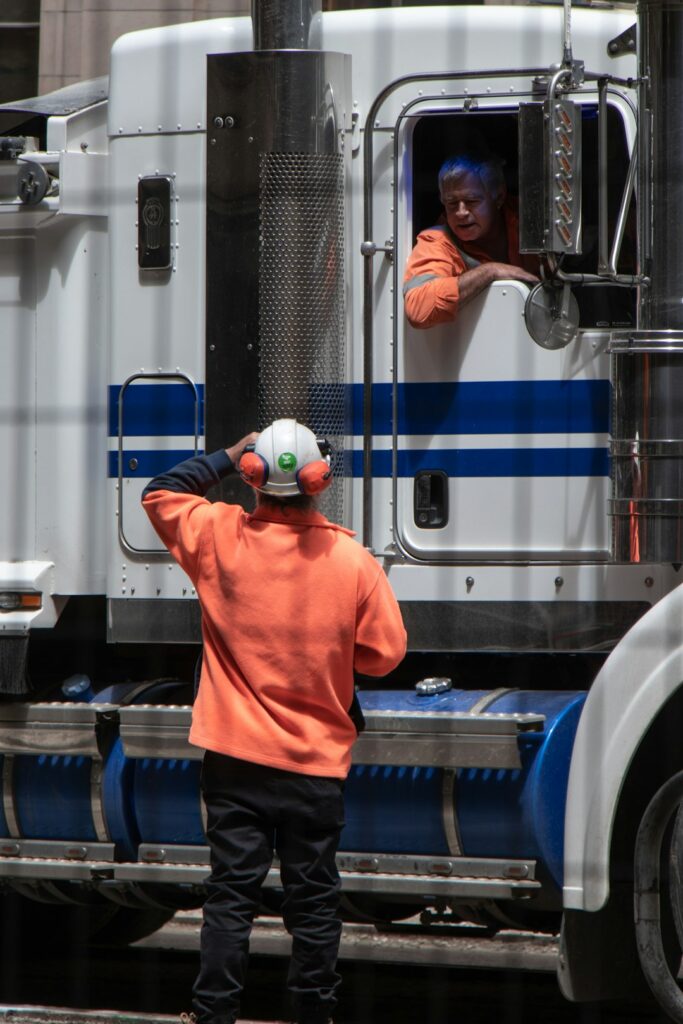
A hazmat (hazardous materials) incident involves the accidental release, spill, or threat of dangerous materials—such as chemicals, gases, or radioactive substances—during storage or transport. In Belleville, IL, where busy highways and freight routes run close to neighborhoods, schools, and public spaces, understanding the basics can help area households respond safely if a trucking accident or leak occurs nearby.
Common hazardous materials moved by trucks around Belleville include fuels, industrial chemicals, fertilizers, cleaning agents, and even medical waste. An incident can range from a small fuel spill to a major multi-vehicle accident with airborne chemical risks. The consequences for health, safety, and environment depend on quick, informed action from both emergency services and the public.
What Should Residents Do If a Hazmat Trucking Accident Happens Nearby?
Stay Put and Follow Official Instructions First If a hazmat incident occurs in Belleville, local officials—like fire or police departments—will take the lead. Listen for instructions through official channels and avoid the accident site unless specifically told to evacuate.
- Stay indoors, close all windows and doors, and turn off ventilation or air conditioning systems if told to “shelter in place.”
- If directed to evacuate, follow recommended routes and leave immediately. Do not return until authorities declare the area safe.
- Keep phones charged and handy to receive emergency alerts or updates.
- Never try to assist accident victims or investigate the spill yourself; even fumes or unnoticed contact can be hazardous.
How Will Emergency Plans Be Activated in Belleville, IL?
Emergency response plans for hazmat incidents are coordinated between municipal agencies and, when necessary, state or federal partners. Belleville’s emergency management relies on established communication chains and clearly defined roles for each agency.
Key steps in a local response include:
- Securing the scene and blocking roads to prevent additional exposure
- Identifying the material involved and assessing potential dangers
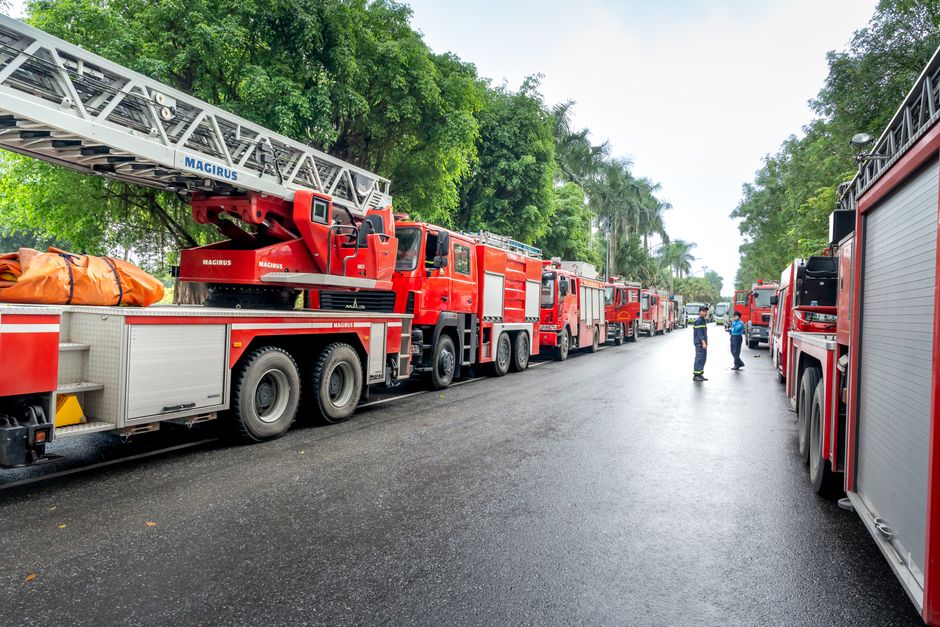
- Deploying specialized hazmat teams and equipment to contain, neutralize, or clean up the hazard
- Notifying residents and businesses about risks and protective actions, such as evacuation or shelter-in-place
Coordination between local fire departments, the police, emergency medical staff, and regional hazmat teams is standard practice. The county’s alert systems and local media will keep the community updated as the situation develops.
What Are Common Hazmat Warning Signs Residents Might See or Smell?
Certain signs can indicate an accidental release of hazardous materials—even before official alerts are issued:
- A strong, unusual chemical odor (especially if it irritates eyes or throat)
- Visible spills, vapor clouds, or unexpected mist along roadways or near trucks
- Unusual sounds from a vehicle, such as hissing (which could suggest a gas leak)
- Signs or placards on trucks (diamond-shaped labels in colors like red, yellow, white, or green indicate the type of hazard)
If you notice these signs in Belleville or experience unexplained symptoms (dizziness, coughing, burning eyes), move away from the area if it is safe to do so and alert 911, providing as much detail as possible.
How Do Evacuation and Shelter-in-Place Warnings Work?
Most hazmat emergencies in Belleville do not require a community-wide evacuation. Instead, officials might advise people in a certain radius or downwind zone to evacuate, while telling those further away to shelter in place.
- Shelter-in-place means staying indoors, sealing outside air entry, and waiting until authorities announce it is safe to go outside.
- Evacuation will use main city streets and routes that keep people away from the danger zone, with assistance organized for those without transportation or with special needs.
Pay attention to local radio, reverse-911 notifications, or municipal websites. If you live or work near industrial roads or highways, consider planning a quick exit route and assembling a basic emergency bag in advance.
Are Hazmat Incidents Frequent in Belleville, or Are They Rare?
Hazmat trucking incidents are not everyday occurrences in Belleville, but due to the amount of local freight traffic, minor spills or truck breakdowns involving hazardous loads do occasionally happen. Major accidents with community impact are rare. Preparedness and regular drills by emergency crews help reduce risks. False alarms—such as an odd smell or routine truck breakdown with no real leakage—can raise concern. Officials treat every report seriously but will only activate a full-scale response if there is a genuine risk to public health or safety.
What Is the Community’s Role in Preventing Harm During These Emergencies?
Area households play a crucial role by staying informed, not interfering with official response, and sharing only verified information. Practical steps for Belleville residents include:
- Signing up for local emergency alerts and knowing the basic shelter-in-place and evacuation procedures
- Keeping emergency supplies (such as bottled water, medications, and a battery-powered radio) ready
- Teaching children not to approach accident scenes or touch unknown substances outdoors
- Trusting updates from city authorities, rather than rumors or unverified social media posts
By following these guidelines, families and businesses can support first responders and help keep the wider community safe.
Where Can Local Residents Learn Even More?
The city’s official website and the St. Clair County emergency management page provide practical guides, sample emergency plans, and details about upcoming preparedness drills. Schools sometimes offer emergency information for parents and students as part of their health and safety programs.
Staying connected with local agencies and being prepared for any kind of emergency—however unlikely—helps ensure families in Belleville can react calmly and effectively if an unexpected hazmat incident ever occurs.