

 See My Latest Article on HelloNation
What Is Hazmat Trucking and Why Is It Used Near Belleville, IL?
Hazmat trucking involves transporting hazardous materials—anything from fuels and chemicals to medical waste—by road. These substances are essential to different industries, agriculture, and even public services in Belleville, IL, but their risks mean special care is needed in handling, storage, and movement.
While the idea of hazardous materials moving through or near local neighborhoods can seem unnerving, strict systems and requirements are in place to minimize danger to area residents and the environment.
How Do Hazmat Trucking Rules Reduce Local Risk?
State and federal regulations set a high bar for anyone transporting hazardous materials. In and around Belleville, these requirements are designed to keep local people, property, and natural resources safe:
- Drivers must receive extensive, ongoing training specific to the chemicals or materials they are hauling.
- Specialized vehicles, equipment, and containment methods are mandated to prevent leaks and spills.
- Strict routing restrictions keep trucks carrying dangerous loads away from schools, dense residential areas, and environmentally sensitive waterways whenever possible.
- Shipments must be clearly labeled, and detailed manifests must be kept with every load for rapid response in case of emergency.
- Regular vehicle inspections ensure equipment stays in proper working order and compliant with safety standards.
Local and state agencies frequently inspect trucks and review procedures, helping maintain high safety expectations for anyone operating in the area.
What Kind of Training Is Required for Hazmat Drivers in the City?
Hazmat drivers must pass comprehensive written and hands-on exams. The training covers:
- Identifying different classes of hazardous materials and understanding their unique risks
- Emergency procedures specific to the substances being transported
- Proper use and maintenance of safety equipment and personal protective gear
- Steps for reporting incidents and working cooperatively with fire departments or emergency services in Belleville
Beyond the initial certification, drivers must complete regular refresher courses and stay up-to-date on any changes in regulations or materials handled.
How Are Routes Chosen to Protect Residents and the Environment?
Agencies plan and regulate routes to reduce risks if an accident occurs. In practice, this often means that:
- Hazmat trucks avoid school zones, hospitals, and heavily populated neighborhoods whenever possible.
- Preferred routes are reviewed based on local traffic, road quality, weather conditions, and proximity to sensitive areas like streams and lakes.
- Alternative detour routes are created for emergencies, road closures, or major events in Belleville that might increase local traffic or crowd sizes.
These route decisions are informed by factors specifically relevant to local infrastructure, such as the layout of highways and the locations of emergency response resources.
What Happens If a Hazmat Incident Occurs Near Belleville?
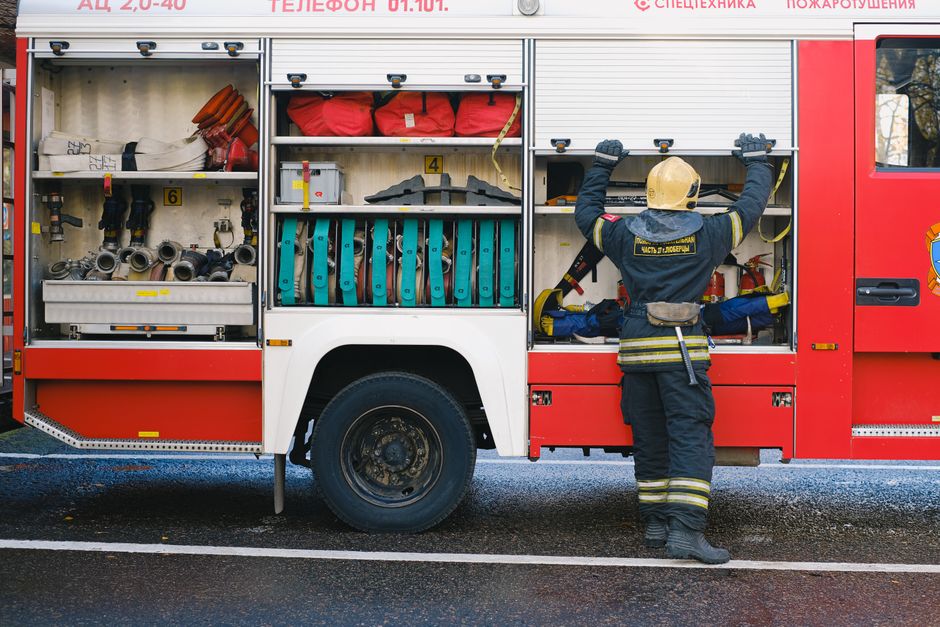
First responders in Belleville are trained and equipped to deal with hazardous materials incidents. Emergencies could include chemical spills, container leaks, or accidents involving fire. Response steps include:
- Quickly identifying the material and understanding its risks using shipping documents and placards on the vehicle
- Setting up exclusion zones to keep people away from danger
- Using absorbent materials, foam, or other mitigation tools designed for specific chemical types
- Coordinating with specialized hazardous materials teams, if the situation is beyond the scope of local firefighters or police
Residents are sometimes notified through community alert systems if evacuations or shelter-in-place orders are needed, though such scenarios are rare due to preventative measures.
How Does Community Awareness Support Safety?
Safety is greatly increased when residents know how to recognize and respond to potential hazards. In Belleville, community education efforts may include:
- Public notices explaining scheduled movements of large or particularly sensitive loads
- School presentations about recognizing hazmat signage and reacting appropriately in an emergency
- Local emergency preparedness campaigns often include tips about hazardous material awareness alongside weather readiness and fire safety
Misconceptions—such as underestimating the significance of hazmat placards on trucks, ignoring evacuation orders, or attempting to approach a spill—can increase personal risk. Accurate, simple guidelines distributed locally help people recognize that immediate compliance with official warnings is crucial.
How Are Seasonal or Local Conditions Considered in Safety Planning?
Belleville’s climate brings winter ice, spring storms, and hot summer temperatures, each with their own complications for hazmat transport:
- In icy or stormy weather, transport companies may delay or reroute shipments to avoid accidents.
- Preparations take into account nearby flood-prone roads or bridges, ensuring that hazardous materials are not trapped or spilled by local flooding events.
- High heat increases the risk of certain chemical reactions, so summer planning includes monitoring temperatures and limiting transport during extreme conditions.
Local road construction, parades, or large public gatherings may prompt route adjustments or scheduling shifts to avoid putting trucks near crowds or event venues.
What Are Common Misunderstandings About Hazmat Trucking Safety?
Some residents worry that hazmat trucking is inherently unsafe. In reality, the industry is highly regulated, with many layers of precaution:
- Most hazardous materials trucked through or near Belleville are handled in sealed, reinforced containers not easily breached in minor collisions.
- Drivers face strict schedules and oversight—not just for efficiency, but to restrict fatigue and encourage alertness during every trip.
- Emergency plans are constantly updated in response to lessons from other cities’ incidents or changing local risks, rather than relying solely on national guidelines.
Understanding these systems can help residents feel confident that active protections are in place throughout the community—every day—not just in rare emergencies.