

 See My Latest Article on HelloNation
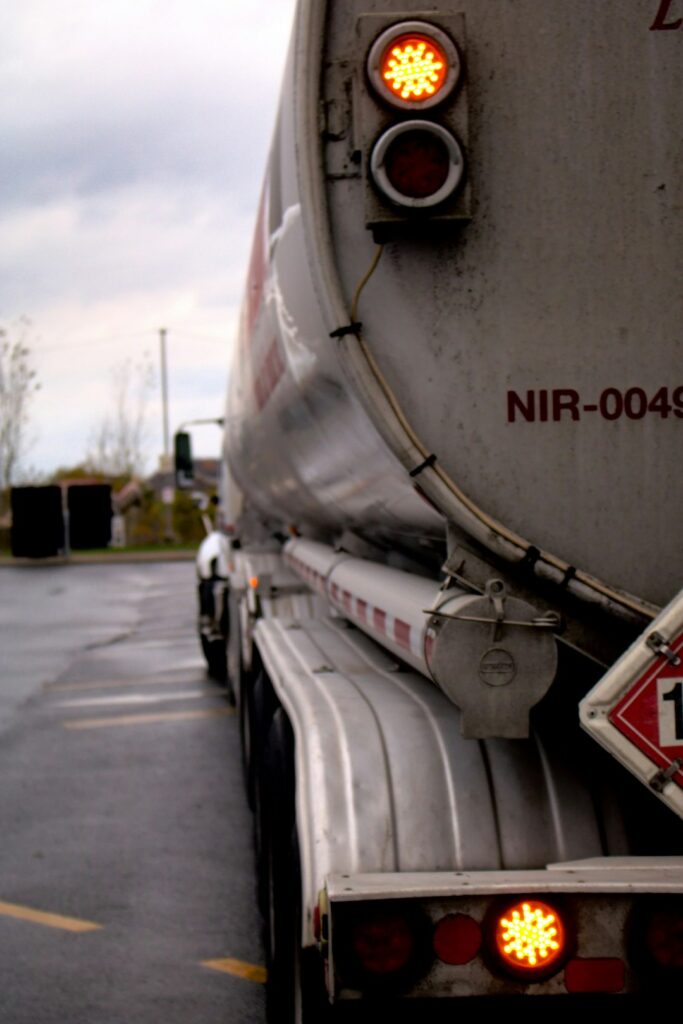
What counts as hazardous material on a truck?
A hazardous material is a substance that could pose an unreasonable risk to people, property, or the environment while being transported. The term covers more than dramatic-looking chemicals. Fuel, compressed gases, corrosive liquids, explosives, radioactive materials, toxic substances, and some common industrial products may all require special transportation controls.
Residents may see these materials on highways, local roads, and commercial routes throughout Belleville, IL. A truck does not have to be leaking, smoking, or carrying an unusual container to be transporting regulated material. Identification begins with the signs, labels, and markings required on the vehicle or its packages.
What should drivers look for first?
The most visible warning is usually a diamond-shaped placard on the front, rear, and sides of a truck, trailer, cargo container, or tank. Placards use colors, symbols, and hazard-class numbers to communicate the general type of danger. Federal guidance describes placards as a quick visual system for transportation workers, law enforcement, and emergency responders. ([phmsa.dot.gov](https://www.phmsa.dot.gov/standards-rulemaking/hazmat/identifying-hazardous-materials-in-your-community?utm_source=openai))
Common placard categories include:
- Class 1: Explosives
- Class 2: Flammable, nonflammable, or toxic gases
- Class 3: Flammable or combustible liquids
- Class 4: Flammable solids, spontaneously combustible materials, or materials dangerous when wet
- Class 5: Oxidizers and organic peroxides
- Class 6: Toxic substances and infectious substances
- Class 7: Radioactive materials
- Class 8: Corrosive materials
- Class 9: Miscellaneous hazardous materials
The number in the lower portion of a placard identifies the hazard class or division. The symbol and color often provide additional information. For example, a flame symbol generally signals a fire hazard, while a skull-and-crossbones symbol indicates a toxic danger.
A placard may be displayed without a detailed chemical name. That does not mean the shipment is unidentified; the placard is intended to provide an initial warning rather than a complete inventory.
What does the four-digit number mean?
Some hazmat trucks display a four-digit identification number on the placard, on an orange panel, or on a separate white square sign. This number is assigned to a particular hazardous material or group of materials and can help responders identify the substance using official transportation references. ([phmsa.dot.gov](https://www.phmsa.dot.gov/standards-rulemaking/hazmat/identifying-hazardous-materials-in-your-community?utm_source=openai))
The number may be visible on:
- Tank trailers
- Cargo tanks
- Portable tanks
- Bulk containers
- Certain vehicles carrying large quantities of one regulated material
A four-digit number should not be treated as a consumer product code or license plate number. It is transportation information intended for emergency identification. If a crash or spill occurs, a person who can safely observe the number from a distance may report it to emergency dispatch.
Do not approach the vehicle to read a placard more closely. A fire, vapor cloud, unusual odor, hissing sound, or liquid on the pavement may indicate that the material is escaping.
Are small packages and delivery trucks also hazardous?
Yes. Not every hazmat shipment requires large exterior placards. Small quantities, limited quantities, and certain package types may be marked with smaller labels instead. A box, drum, cylinder, or tote may carry a diamond-shaped label showing a hazard class, even when the truck itself does not display a large placard.
Labels are placed on individual packages and may show hazards such as flammability, corrosion, oxidation, toxicity, or compressed gas. Federal requirements distinguish between package labels, shipping marks, and vehicle placards. Placarding is not required for every hazardous-material shipment, so the absence of a placard does not prove that a vehicle is carrying only ordinary freight. ([fmcsa.dot.gov](https://www.fmcsa.dot.gov/regulations/hazardous-materials/how-comply-federal-hazardous-materials-regulations?utm_source=openai))
Households may encounter these markings during deliveries of products such as propane cylinders, pool chemicals, paints, solvents, batteries, pesticides, or cleaning agents. The markings are warnings about the contents and handling requirements, not necessarily evidence of an emergency.
What information is on the driver’s shipping papers?
A truck transporting regulated hazardous materials generally carries shipping papers that describe the cargo. These documents are kept where the driver can reach them while seated and where emergency responders can locate them if needed.
The basic description normally includes:
- A four-digit identification number
- The proper shipping name
- The hazard class or division
- The packing group, when applicable
- The quantity and type of packaging

Shipping papers also include emergency response information and a telephone number monitored while the shipment is in transit. They may be part of a bill of lading, manifest, invoice, or another document rather than a special form. ([fmcsa.dot.gov](https://www.fmcsa.dot.gov/regulations/hazardous-materials/how-comply-federal-hazardous-materials-regulations?utm_source=openai))
Members of the public should not attempt to obtain or inspect these documents. Their purpose is to give trained drivers and emergency personnel specific information that cannot be determined reliably from appearance alone.
What do common misconceptions get wrong?
“Every chemical truck has a placard.”
Not necessarily. Placarding depends on the material, quantity, packaging, and applicable transportation rules. Some shipments use package labels or markings without requiring large vehicle placards.
“A placard identifies the exact product.”
Usually, it identifies the hazard class. A flammable-liquid placard indicates the primary type of danger but may not tell an observer whether the cargo is gasoline, solvent, or another regulated liquid. The identification number and shipping papers provide more specific information.
“No smell means no danger.”
Some hazardous materials have little or no odor. Others can affect breathing or health before a person recognizes a problem. Odor is not a dependable detection method.
“A truck with hazard markings is automatically unsafe.”
Hazard markings are part of a safety communication system. They do not by themselves indicate a violation or an active emergency. The concern increases when markings appear alongside a crash, fire, visible release, damaged container, or people experiencing symptoms.
What should someone do after a hazmat truck crash?
Move away from the incident and avoid walking through smoke, liquid, vapor, or debris. Do not touch containers, attempt cleanup, or stop nearby to take photographs. If possible, move uphill and upwind, because vapors and spilled liquids may travel with terrain and wind. Illinois emergency guidance advises treating unknown substances as hazardous until identified and calling 9-1-1 for assistance. ([ready.illinois.gov](https://ready.illinois.gov/hazards/hazardousmaterials.html?utm_source=openai))
From a safe location, report:
- The roadway or nearby landmark
- Whether a truck, tanker, or cargo container is involved
- Any visible placard color, symbol, or four-digit number
- Fire, smoke, vapor, leaking liquid, or overturned containers
- Injuries or people needing immediate help
Do not delay an emergency call while trying to identify the material. Dispatchers and responding agencies can use placards, vehicle markings, shipping papers, and specialized references to determine the appropriate response.
How do weather and road conditions affect the risk?
Seasonal conditions can change how a hazmat incident develops. Heat may increase pressure in some containers, while freezing temperatures can affect valves, hoses, and road surfaces. Rain can spread a liquid release into drains or low areas. Wind can carry vapors beyond the immediate crash scene, and slick pavement can make it harder for other drivers to stop safely.
During severe weather or congestion, leave extra distance behind a placarded vehicle and avoid lingering beside a tank trailer. If traffic slows near an incident, follow directions from law enforcement and emergency personnel rather than attempting to pass through the area.
The safest approach is simple: recognize the warning system, keep a safe distance, and provide trained responders with observations—not guesses—about what is happening.