

 See My Latest Article on HelloNation
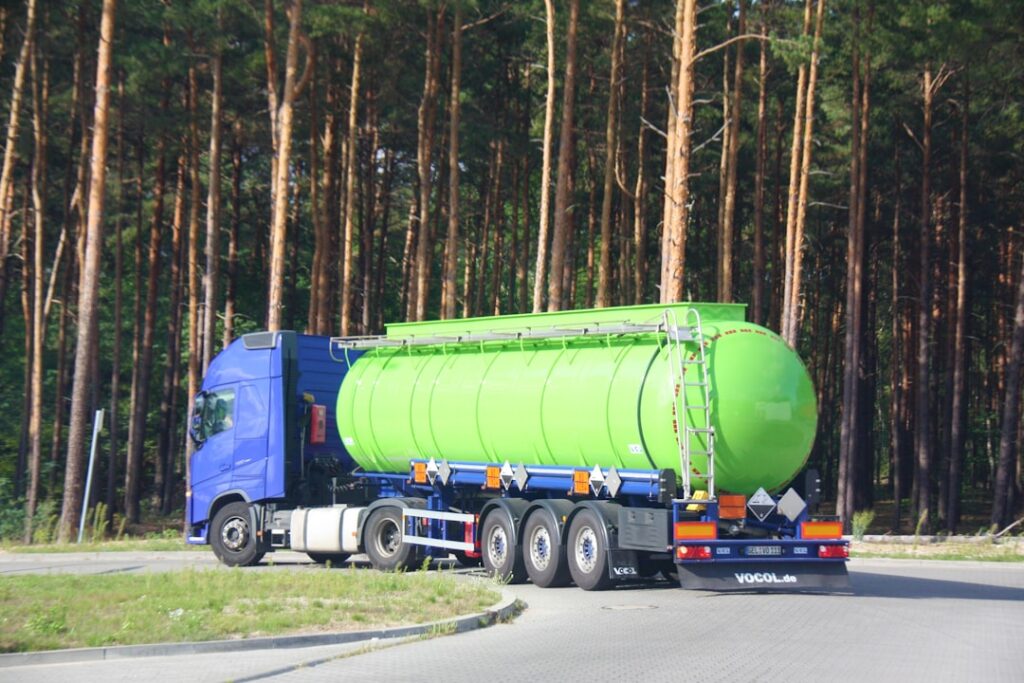
What Are Hazardous Materials and Why Are They Classified?
Hazardous materials, often shortened to hazmat, are substances that pose a risk to health, safety, property, or the environment. Understanding their classification is crucial for safe handling, storage, and transportation. In Belleville, regulations and local response plans depend on these categories, helping protect households, first responders, and neighborhoods from accidental exposure or emergency situations.
Hazmat classes group materials by their main danger—such as fire, health risks, or reactivity—making it easier for residents and emergency personnel to recognize, anticipate, and manage hazards around homes, roads, and businesses in the area.
How Many Classes of Hazardous Materials Are There?
There are nine primary classes, each representing a core type of risk and regulated under both federal and local safety guidelines. Some classes are further divided into divisions to capture more specific risks. Most materials transported or stored near Belleville roads, rail lines, or industrial areas will fit into one of these categories.
What Does Each Hazard Class Mean?
Each class marks a distinct danger. Here’s an overview of what the symbols, labels, or placards on trucks, containers, or facilities signify:
- Class 1: Explosives — Items that can detonate or explode, such as fireworks and blasting caps. In residential neighborhoods, these may be rare, but occasional construction projects or special events can bring such materials nearby.
- Class 2: Gases — Includes compressed, liquefied, or dissolved gases. Examples: propane cylinders for grilling, welding gases, or medical oxygen. Extreme winter or storm seasons in Belleville can raise concerns about storage safety.
- Class 3: Flammable Liquids — Substances like gasoline, certain paints, and solvents. These are common in garages and maintenance shops around the city.
- Class 4: Flammable Solids — Materials prone to catching fire from friction or moisture, such as matches or metallic powders.
- Class 5: Oxidizers and Organic Peroxides — Chemicals that intensify combustion or can cause spontaneous combustion, e.g., pool chemicals or some cleaning agents.
- Class 6: Toxic and Infectious Substances — Poisons and pathogens. Examples range from certain pesticides to clinical waste generated in local medical or dental offices.
- Class 7: Radioactive Materials — Used in medical imaging or certain industrial applications, sometimes encountered during road transport through the community.
- Class 8: Corrosives — Substances like battery acid or drain cleaners that cause severe tissue damage or destroy metals.
- Class 9: Miscellaneous Dangerous Goods — Items not covered above but still posing risk, such as lithium batteries, environmentally hazardous substances, or airbag inflators.
Why Do Hazard Classes Matter to Local Residents?
While hazmat trucking is often out of sight for many in Belleville, understanding these classes prepares residents for potential emergencies—especially when living near industrial corridors, highways, or areas with regular chemical deliveries. Knowing the basics helps answer questions such as:
- Should neighbors worry about trucks parked near schools or parks?
- What does a diamond-shaped sticker or placard on a truck mean?
- Which substances might require shelter-in-place versus evacuation if a spill occurs?
Local emergency services rely on these classes to train, equip, and communicate with residents.
How Can You Recognize Hazardous Materials in Everyday Life?
Most dangerous materials in the community won’t arrive with flashing warnings. Instead, look for:
- Distinctive labels or placards: diamond-shaped symbols with numbers (1–9) and color codes
- Unusual packaging or containers marked “corrosive,” “flammable,” “toxic,” or with hazard symbols
- Products stored apart from routine household goods or signage indicating restricted access
Homes and small businesses in Belleville may legally store small amounts of some hazardous materials, such as gasoline in cans, pool chemicals, or certain cleaners. Recognizing these at home can prevent accidental misuse or unsafe disposal.
Are All Hazardous Materials Equally Dangerous?
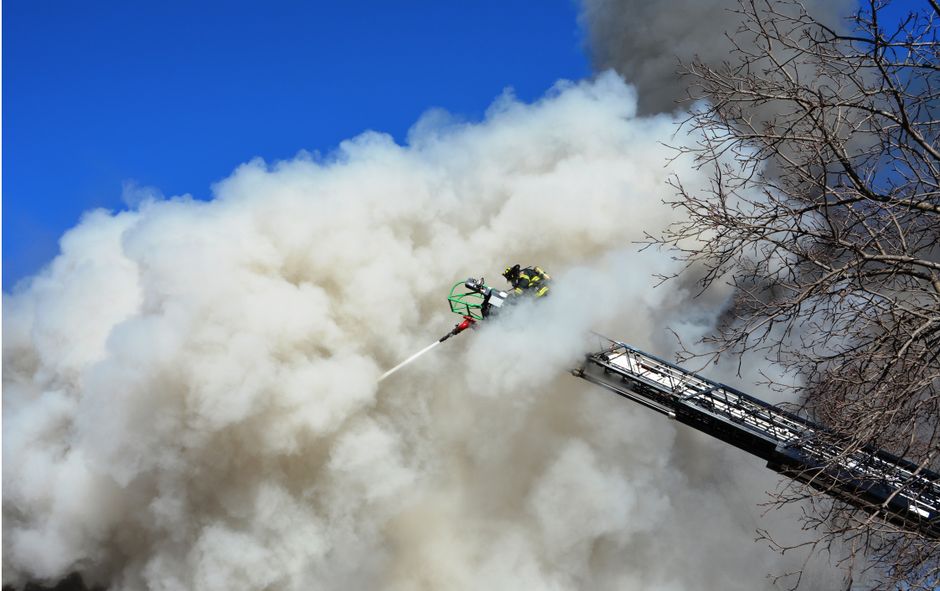
Hazard potential varies widely, even within the same class. For instance:
- A single can of spray paint (flammable liquid) is less risky than a cargo truck filled with fuel.
- Household bleach (corrosive) is rarely a major spill hazard, but large drums handled by local institutions require greater precautions.
Local emergency response may prioritize some incidents—such as overturned trucks carrying toxic gases—higher than small gasoline leaks at a neighborhood gas station.
What Are Common Misconceptions About Hazard Classes?
Some residents believe only chemicals or industrial goods are hazardous. In reality, everyday items like batteries, household aerosol cans, or pool shock treatments also fit these definitions and must be handled responsibly. Another misconception is that all hazardous materials are immediately life-threatening. Many are safe in small quantities when used as directed, stored securely, and kept away from children or pets.
What Should Residents Do if They Suspect a Hazmat Incident?
Safety begins with awareness, not panic. If you see a spill, truck accident, or suspicious leak involving labeled materials:
- Stay uphill and upwind, if possible
- Notify local emergency services, providing details from visible placards or container labels if it is safe to do so
- Follow official instructions regarding evacuation or shelter-in-place
Delays or improper action can worsen outcomes, so always prioritize personal safety and clear information for first responders.
How Does Belleville’s Climate Influence Hazmat Risks?
The local climate, with distinct winter freezes and stormy summer periods, can impact chemical storage and transport. For example:
- Extreme cold can cause pressurized containers to contract, increasing risk of leaks or failures, especially with gases.
- Flooding or heavy rains may disperse chemicals into stormwater systems, threatening local waterways and ground contamination.
Understanding these seasonal influences helps households and local businesses maintain best practices and minimizes long-term risks.