

 See My Latest Article on HelloNation
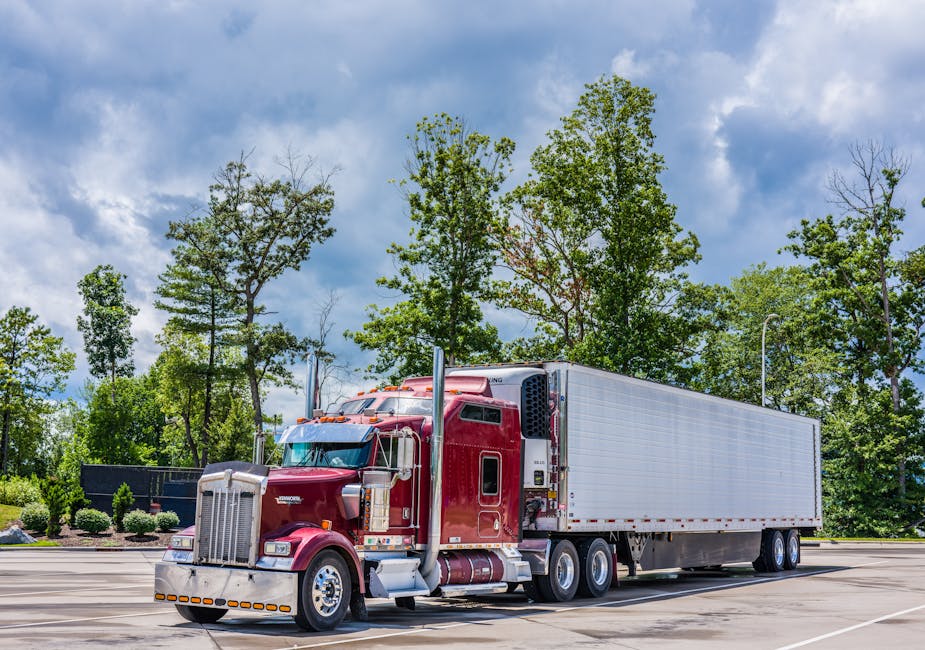
Hazmat trucking is a vital part of the transportation industry, especially in regions like Belleville, IL, where the presence of chemical plants, refineries, and manufacturing businesses is essential to the local economy. If you’ve ever wondered, “What is hazmat trucking and how does it work?”—here’s a comprehensive look at how this specialized field operates, how it keeps communities like Belleville safe, and why it’s so important.
What Is Hazmat Trucking?
Hazmat trucking refers to the transportation of hazardous materials—also known as “hazmat”—over roadways. These materials can include chemicals, fuels, medical waste, explosives, flammable liquids, or any substances deemed dangerous by the U.S. Department of Transportation (DOT). Because hazmat materials pose serious risks to people, property, and the environment, specialized regulations and protocols govern every step—from loading to delivery.
Common Types of Hazardous Materials
In the Belleville area, typical hazmat shipments might include:
- Industrial chemicals used in local factories
- Petroleum products delivered to gas stations and industrial users
- Agricultural chemicals for the many farms surrounding Belleville
- Medical or biological waste from local hospitals and clinics
How Does Hazmat Trucking Work?
Hazmat trucking involves specific procedures to ensure safety and compliance throughout the journey. Here’s how the process typically works:
1. Obtaining Proper Licensing and Training
Drivers who haul hazardous materials in Belleville—or anywhere in Illinois—must hold a valid Commercial Driver’s License (CDL) with a Hazmat (H) endorsement. This means extra training on safe handling, emergency procedures, and compliance with state and federal laws.
2. Vehicle Checks and Equipment
Trucks used for hazmat transport are subject to stringent inspections. They must be outfitted with specialized equipment:
- Placards showing the type of hazardous materials on board
- Emergency response kits
- Fire extinguishers
- Spill control supplies
3. Loading and Unloading Procedures
Proper procedures are critical to prevent leaks, spills, or other incidents:
- Materials are loaded according to compatibility rules (some chemicals can’t be carried together)
- Cargo is checked for securement, with clear documentation
- Qualified personnel oversee the full process
4. Regulatory Compliance
Hauling hazmat means operating under strict federal and state regulations:
- Drivers must carry shipping papers that detail the exact contents being transported
- Route planning may be required to avoid busy areas, school zones, or environmentally sensitive spots
- Regular stops for inspections, often coordinated with local law enforcement in Belleville and surrounding towns
5. Emergency Preparedness
Hazmat trucking companies maintain close relationships with local fire departments, emergency responders, and state agencies. If an incident occurs, rapid response is critical. In Belleville, the community benefits from well-trained fire and emergency crews who frequently drill for hazmat emergencies.
The Role of Hazmat Trucking in Belleville’s Economy
Belleville, IL, is known for its balance of urban amenities and small-town charm. Industry plays a big part in area employment; whether it’s local manufacturers, energy providers, or health systems—each relies on safe and reliable delivery of materials. Hazmat trucking:
- Supports manufacturing by ensuring the steady flow of raw materials and supplies
- Enables farms to get critical agricultural chemicals that increase yields
- Keeps local fuel stations and heating providers stocked
Hazmat isn’t just about dangerous chemicals—it’s an essential piece of daily life, behind the scenes, supporting everything from energy to healthcare in Belleville.
Hazmat Trucking Safety and Community Impact
Living and working near routes for hazardous material transportation can be a concern for Belleville residents. However, safety is always the top priority. Here’s how it works in practice:
Community Awareness
Many Belleville neighborhoods near major highways or industrial zones often see hazmat trucks passing by. Local emergency services conduct outreach to educate the public:
- What the placards on trucks mean
- How to respond in case of an accident
- Knowing when to evacuate or shelter in place
Environmental Protection
Hazmat trucking companies, in partnership with St. Clair County and Illinois EPA programs, work hard to minimize the risk of spills and accidents. Strict spill response plans and quick reporting limit environmental damage if an incident does occur.
Supporting Local Lifestyles
Belleville’s vibrant community life—festivals, schools, and beautiful parks—relies on careful planning around hazmat transport in the area. Routes are selected to minimize disruption and maximize safety, prioritizing schools, public events, and recreation zones.
Regulatory Agencies Involved
Several local, state, and federal agencies play a role in regulating and monitoring hazmat trucking near Belleville, including:
- Illinois Department of Transportation (IDOT)
- Federal Motor Carrier Safety Administration (FMCSA)
- Environmental Protection Agency (EPA)
- Local Belleville police and fire departments for emergency response
Frequently Asked Questions About Hazmat Trucking
1. Do hazmat trucks come through residential areas in Belleville?
Hazmat routes are carefully regulated and trucks typically take designated roads to avoid neighborhoods and sensitive areas as much as possible.
2. How can I identify a hazmat truck?
Look for diamond-shaped placards with numbers and symbols on the vehicle—they signal the type of material being transported.
3. What should I do if I see a hazmat spill?
Call 911 immediately and move to a safe location, following any directives from emergency responders.
Conclusion
Hazmat trucking is an essential part of life in Belleville, IL. It keeps industries running, supports local agriculture and healthcare, and is managed under stringent rules to protect both people and the environment. The next time you see a hazmat truck rolling down Route 15 or Interstate 255, you’ll know it’s more than a truck—it’s a vital link in Belleville’s community and economy, managed by highly trained professionals dedicated to safety.