

 See My Latest Article on HelloNation
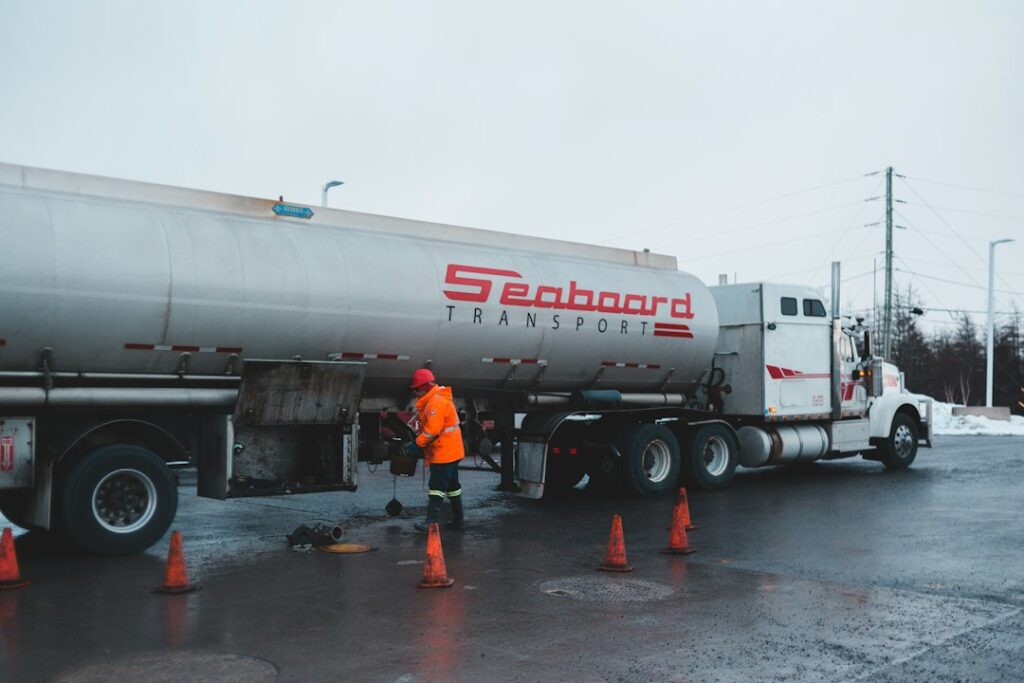
What happens first after a hazmat truck spill?
In Belleville, IL, the first priority after a hazardous-materials truck spill is protecting people from fire, toxic exposure, chemical reactions, and traffic hazards. The driver, law enforcement, firefighters, and emergency managers establish a safe area before attempting containment or cleanup.
A spill may involve fuel, corrosive liquids, compressed gases, pesticides, industrial chemicals, or other regulated materials. Each substance presents different risks, so responders do not treat every spill the same way.
The initial response usually includes:
- Stopping the vehicle, if it can be done safely
- Calling 911 and reporting the location
- Moving people away from the release
- Keeping ignition sources, traffic, and bystanders away
- Identifying the material from shipping papers, container markings, labels, or placards
- Checking for injuries, fire, vapor clouds, drainage pathways, and damaged containers
- Determining whether evacuation or sheltering indoors is needed
The driver may provide information from the shipping papers and emergency response instructions carried in the truck. Those instructions help responders understand the material’s hazards and the safest initial actions.
Why is the truck’s cargo identified before cleanup begins?
The substance must be identified because a method that works for one material can make another spill more dangerous. Water, absorbent, foam, tools, or protective clothing may be appropriate for some products but unsafe for others.
Responders look for:
- The United Nations or North American identification number
- Hazard labels and placards
- Shipping papers
- Container type and size
- Product name and concentration
- Visible vapor, color, odor, or physical behavior
- Information provided by the carrier or shipper
The Emergency Response Guidebook is designed for the initial phase of transportation incidents. It helps first responders select protective distances, recognize fire and health hazards, and identify immediate precautions while more detailed technical assistance is obtained.
A placard alone does not reveal every detail about a release. It signals a hazard class or transportation risk, but responders still need to determine the specific material, amount released, direction of travel, and nearby exposure risks.
Who takes command at the scene?
A designated incident commander coordinates the response. That person may be a fire officer, law-enforcement official, emergency-management representative, or another qualified responder, depending on the circumstances.
The incident commander typically coordinates:
- Scene security and traffic control
- Evacuation or shelter-in-place decisions
- Protective equipment requirements
- Air monitoring and hazard-zone boundaries
- Medical care and decontamination
- Spill containment and recovery
- Communication with the carrier, shipper, environmental agencies, and public officials
This command structure prevents multiple groups from taking conflicting actions. A transportation spill can involve local responders, state personnel, federal agencies, technical specialists, utility representatives, and environmental contractors. Each group may have a different role, but the scene still requires one coordinated plan.
How is the release stopped or contained?
Containment begins only when responders have the training, equipment, and protective clothing needed for the material. The goal may be to stop a valve leak, upright a damaged package, isolate a ruptured tank, close a transfer line, or place the product into a secure container.
Responders may also build temporary barriers, use compatible absorbent materials, block drainage inlets, or create collection areas. The method depends on the substance and the surroundings.
Storm drains, ditches, streams, low areas, and basements receive special attention. A liquid that appears limited on pavement can spread quickly through drainage systems, especially after rain or during snowmelt. Protecting water pathways is particularly important in a built-up community where streets, parking areas, and stormwater systems are closely connected.
Containment is not the same as cleanup. Stopping the source may end the immediate emergency, but contaminated soil, pavement, water, equipment, or cargo may still require controlled removal and disposal.
When is a spill considered an emergency response?
A minor, limited release may sometimes be controlled by trained workers in the immediate area using proper protective equipment and absorbent materials. This is often called an incidental release.
A response generally becomes an emergency when the material cannot be safely controlled at once or creates a significant threat. Warning signs include:
- Fire, explosion, or combustion risk
- A toxic or corrosive vapor cloud
- An oxygen-deficient atmosphere
- Rapidly spreading liquid
- A release entering a drain or waterway
- Injuries or possible contamination of people
- Need for evacuation or traffic shutdown
- Unknown material or uncertain conditions
- Damage that could cause additional release
- Need for outside responders or specialized equipment

Workers who actively respond to a hazardous release must have training appropriate to their duties. Emergency responders may need chemical-protective clothing, respiratory protection, air-monitoring equipment, decontamination procedures, and medical oversight.
People without the required training should not approach a leaking tanker, touch spilled material, move containers, or attempt to wash chemicals into a drain.
How are residents protected during a truck spill?
Residents may be told to evacuate or shelter indoors. The correct instruction depends on the material, wind, terrain, fire conditions, and the possibility of vapor movement.
If officials order an evacuation, residents should leave by the route provided and avoid driving toward the incident. If sheltering indoors is advised, people may be told to close windows and doors, turn off systems that bring outside air indoors, and remain inside until authorities provide an all-clear.
Visible vapor is not the only danger. Some substances are hazardous even when they cannot be seen, while others may create dangerous conditions without a strong odor. Children, older adults, people with breathing conditions, and pets may be especially vulnerable to airborne contaminants.
Anyone who believes they may have been exposed should move away from the release, avoid spreading contamination to others, and follow instructions from emergency personnel. Medical evaluation may be necessary even if symptoms appear mild at first.
What reporting is required after a hazmat spill?
Reporting requirements depend on the substance, amount, location, environmental impact, and circumstances of the release. Transportation incidents are first reported through 911 so local responders can address immediate threats.
Some releases also require notification to state, local, or federal authorities. Federal rules establish reportable quantities for certain hazardous substances and oil discharges. Additional notifications may apply if an extremely hazardous substance is released or if soil, waterways, or public infrastructure are affected.
The carrier, shipper, responsible party, or facility involved may need to provide details such as:
- Material name and identification number
- Estimated quantity released
- Time and location
- Cause of the incident
- Injuries or evacuations
- Soil, air, or water affected
- Weather and wind conditions
- Containment and cleanup actions
Follow-up reports and environmental investigations help determine whether additional sampling, disposal, road treatment, or habitat protection is needed.
What should a resident do after seeing a hazmat truck spill?
Keep a safe distance and call 911. Give the dispatcher the road, direction of travel, nearby landmarks, visible placards, smoke or vapor information, and any injuries. Do not assume that a small-looking leak is harmless.
Avoid approaching to take photographs, driving through liquid, touching packages, or using a personal vehicle to block traffic. If a spill occurs near a home, remain indoors or leave only as directed. Keep pets and children away from the area, and do not re-enter a restricted location until officials say it is safe.
A hazmat response may appear slow because responders are identifying the substance, measuring the hazard, establishing protective zones, and selecting compatible containment methods. Those steps reduce the chance that a manageable transportation incident will become a larger public-health or environmental emergency.