

 See My Latest Article on HelloNation
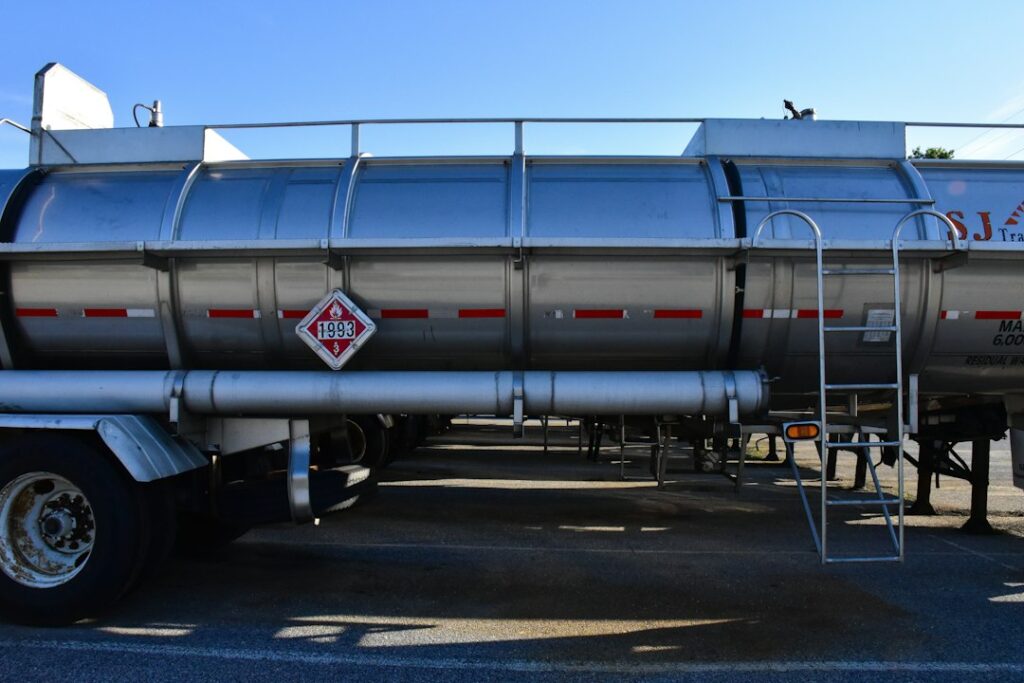
What hazardous materials are transported most often?
The hazardous materials transported most frequently are usually everyday fuels, gases, industrial chemicals, batteries, paints, solvents, and cleaning products. Many are moved routinely in tank trucks, trailers, cylinders, drums, and smaller packages rather than in unusual or highly exotic forms.
For residents, the key point is that “hazardous material” describes a regulated safety category, not necessarily a substance that is constantly dangerous under normal conditions. A material may be regulated because it can burn, explode, release harmful vapors, cause chemical burns, spread infection, or damage the environment if it leaks.
The exact ranking varies by freight route, industry, season, shipment size, and whether transportation is measured by truckload, package count, or total weight.
Why are fuels transported so frequently?
Flammable and combustible liquids are among the most common hazardous materials moved by highway. Gasoline, diesel fuel, heating oil, aviation fuel, and certain fuel mixtures are transported to support vehicles, equipment, buildings, farms, construction activity, and emergency generators.
These materials are usually carried in bulk tank trailers or smaller tanks. Gasoline presents a major fire hazard because its vapors can ignite easily. Diesel fuel is less volatile than gasoline but can still burn and create serious risks during a crash or spill.
In and around Belleville, seasonal temperature changes can affect fuel use and transportation patterns. Cold-weather demand may increase deliveries of heating fuel and fuel for backup equipment, while summer travel, landscaping, construction, and agricultural activity can influence gasoline and diesel movement.
A fuel truck does not automatically indicate an emergency. Placards and warning markings identify the general hazard class so responders can make safer decisions if a collision, fire, or leak occurs.
Which gases are commonly transported by truck?
Compressed and liquefied gases are another major category. Common examples include propane, oxygen, nitrogen, carbon dioxide, and some refrigerant gases. Depending on the substance, these materials may be flammable, pressurized, oxidizing, or harmful if inhaled.
Propane is widely used for home heating, cooking, agricultural equipment, forklifts, and temporary heating systems. Oxygen supports combustion, even though oxygen itself is not flammable. Nitrogen and carbon dioxide are used in industrial, medical, food-processing, and other commercial applications.
Transported gases may appear in large cargo tanks, tube trailers, portable cylinders, or smaller containers. Pressure creates an additional concern: a damaged container can release material forcefully, and heat from a fire can increase pressure inside the container.
Residents should never approach a leaking cylinder or tank. A hissing sound, frost around a valve, unusual odor, or visible vapor near a container should be treated as a reason to move away and notify emergency services.
What chemicals are carried in drums, tanks, and trailers?
Industrial and commercial chemicals are transported in many forms, including bulk tankers, intermediate bulk containers, drums, and boxes. Common groups include corrosives, oxidizers, solvents, water-treatment chemicals, adhesives, and chemical manufacturing ingredients.
Corrosive materials can damage skin, eyes, metals, and other surfaces. Acids and strong bases are common examples. Oxidizers may intensify a fire or react dangerously with fuels and other combustible materials. Solvents may be flammable and may also produce harmful vapors.
Some shipments are used in manufacturing, maintenance, water treatment, cleaning, construction, and laboratory work. The presence of a chemical transport vehicle does not necessarily mean the material is being released. The container, packaging, labels, shipping papers, and placards are part of a system designed to identify the hazard and guide safe handling.
A common misconception is that a small package cannot create a serious hazard. A single container may be manageable when intact, but several damaged containers can produce fire, vapor, or exposure risks.
Are batteries considered hazardous materials during transportation?
Many batteries are regulated during transportation because they can short-circuit, overheat, ignite, leak corrosive material, or release energy rapidly. Lithium-ion batteries receive particular attention because damaged, defective, improperly packaged, or overheated cells can enter a condition known as thermal runaway.
Lead-acid batteries, lithium metal batteries, rechargeable tool batteries, electric mobility batteries, and large energy-storage batteries may require different packaging and handling procedures. The rules can depend on battery chemistry, watt-hour rating, condition, quantity, and whether the batteries are being shipped alone, installed in equipment, or returned for recycling.
Battery shipments may travel in cartons, pallets, specialized containers, or freight trailers. Fire damage involving a battery shipment can be difficult because damaged cells may reignite or continue producing heat after the visible fire appears to be out.
Residents should not place swollen, punctured, smoking, or unusually hot batteries in household trash or ordinary recycling bins. Isolate the area if it can be done safely and follow local hazardous-waste or battery-recycling instructions.
What household and building products may be transported as hazmat?
Many products used in homes, garages, workshops, and maintenance operations can qualify as hazardous materials during transportation. Examples include:
- Paints, thinners, stains, and coatings
- Adhesives and sealants
- Aerosol products
- Pool chemicals
- Pesticides and herbicides
- Drain cleaners and strong disinfectants
- Automotive fluids and used oil
- Propane cylinders
- Fluorescent lamps and certain electronic items

These products may be shipped as commercial freight or moved as household hazardous waste for collection, treatment, recycling, or disposal. A container does not have to be full to present a hazard. Residue and vapors can remain after most of the product has been used.
For area households, safe storage means keeping products in their original containers with readable labels, away from heat and ignition sources. Chemicals should not be mixed, poured into food containers, or placed in storm drains, sinks, or regular trash unless disposal instructions specifically allow it.
Are medical, infectious, and radioactive materials transported often?
Medical and infectious substances are transported regularly, but they generally represent a smaller share of ordinary highway hazmat traffic than fuel, gases, and industrial chemicals. Examples can include diagnostic specimens, regulated medical waste, certain biological materials, and pharmaceuticals.
Radioactive materials are also transported under strict controls. Many shipments involve medical, industrial, research, or testing uses rather than nuclear fuel. Packages are designed and labeled according to the material’s type and radiation level.
These categories may receive public attention because of their names, but the hazard depends on the substance, quantity, packaging, and condition of the shipment. A properly packaged medical or radioactive shipment is not the same as an uncontrolled release.
How can residents recognize a hazardous-material truck?
Warning signs may include diamond-shaped placards, orange identification panels, shipping labels, UN identification numbers, and package markings. Some vehicles carry placards only when the material and quantity meet applicable requirements, so the absence of a placard does not prove that a vehicle contains no regulated material.
If a crash involves a truck or trailer with hazard markings, keep a safe distance, stay upwind if possible, avoid touching leaking liquid or debris, and follow instructions from emergency personnel. Do not attempt to identify an unknown substance by smell. Many dangerous materials have weak odors, and some odors can be detected only after harmful exposure has already occurred.
Understanding the common categories—fuels, gases, chemicals, batteries, household products, medical materials, and radioactive shipments—makes hazmat transportation easier to recognize without creating unnecessary alarm. The greatest public safety benefit comes from keeping distance during an incident and allowing trained responders to identify the material and control the scene.