

 See My Latest Article on HelloNation
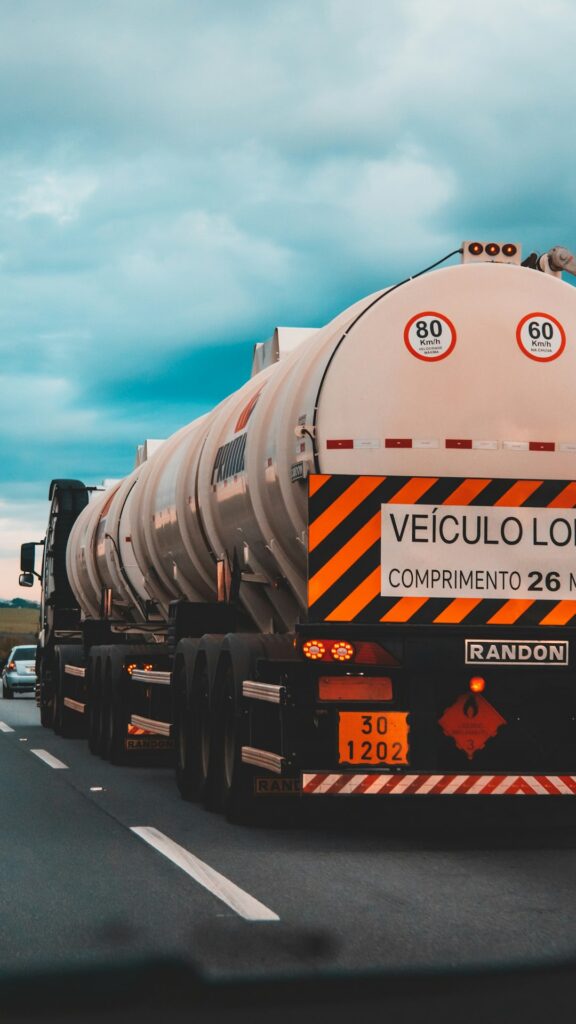
What Are Hazmat Placards and Why Are They on Trucks?
Hazmat placards are diamond-shaped signs displayed on trucks, railcars, and certain containers transporting hazardous materials. These placards alert emergency responders, the public, and workers to the types of dangers the cargo poses. For Belleville, IL residents who regularly spot these signs on highways or near industrial areas, understanding what they mean can provide reassurance, awareness, and important safety context.
Hazmat placards aren’t just regulatory requirements—they serve as immediate visual warnings in everyday traffic and during emergencies.
How Do Hazmat Placards Work?
Hazmat placards visually communicate specific hazards associated with a shipment. Each placard displays:
- A color background
- A bold symbol or number
- The class of hazard (number between 1 and 9)
- Sometimes a four-digit identification number (UN/NA number)
The main goal is quick identification for anyone encountering the vehicle, especially in emergencies, so that the right safety measures are taken.
What Types of Hazards Do Placards Indicate?
Every placard corresponds to a hazard class defined by the U.S. Department of Transportation (DOT). Here are some commonly seen classes on roads in and around Belleville:
- *Class 1: Explosives* (Orange) — Devices or substances that can explode, such as fireworks or ammunition.
- *Class 2: Gases* (Green, Red, White, Yellow) — Includes flammable gases (propane), poisonous gases (chlorine), and non-flammable gases (helium).
- *Class 3: Flammable Liquids* (Red) — Gasoline, diesel, and alcohol fall under this class.
- *Class 4: Flammable Solids* (Red and White Stripes) — Matches, magnesium, and related materials.
- *Class 5: Oxidizers and Organic Peroxides* (Yellow, Yellow/Red) — Substances that can intensify fires, like pool chemicals.
- *Class 6: Toxic and Infectious Substances* (White or White/Black) — Includes pesticides and some medical wastes.
- *Class 7: Radioactives* (Yellow/White) — Used mainly in medical and research shipments.
- *Class 8: Corrosives* (Black and White) — Battery acid, industrial cleaners.
- *Class 9: Miscellaneous* (Black and White Stripes) — Diverse materials that present a hazard during transport, such as dry ice or lithium batteries.
Why Should Belleville Residents Care About These Signs?
Hazmat placards may seem like distant industry codes, but they have direct community relevance. Trucks with these placards pass through neighborhoods, local roads, and highways. Knowing what the placards mean can help residents:
- Understand the types of hazards occasionally moving near homes, schools, or parks
- Respond calmly and appropriately if they see a collision or spill involving placarded vehicles
- Know what to report if calling emergency services
- Appreciate local first responders’ training needs and occasional evacuation drills
What Do the Numbers and Colors Mean on a Placard?
Each placard features standardized colors and numbers for quick hazard recognition:
- Color shorthand: For example, red signals flammability, yellow means oxidizing risk, and white points to health dangers (like poison or radioactivity).
- Class number: Printed at the bottom, matches the DOT hazard classification.
- UN/NA number: Sometimes in the center, this four-digit code provides a precise material ID, such as 1203 for gasoline or 1993 for flammable liquids, allowing responders to consult emergency guides.

These conventions mean even without reading a placard up close, first responders, local officials, and trained staff can understand the core risk at a glance.
How Are Placards Different from Labels on Smaller Packages?
Hazmat placards are meant for larger transport units—trucks, tankers, railcars—not for the smaller packages inside those units. Individual containers (like a chemical drum inside a truck) will have similar, smaller labels. For community safety, the external placard provides the main visible warning to the public and emergency teams.
Are Hazmat Placards Required on All Trucks?
Not every truck carrying dangerous materials in Belleville is legally required to display placards. Small quantities of some hazardous materials, often used in local businesses or transported in consumer packaging, may be exempt from placarding rules if below specific limits. Full truckloads, bulk tanks, or certain classes always require placards. Residents noticing a vehicle with missing placards should not assume risk—there are many exceptions based on shipment quantity and packaging. Enforcement and inspection in the area are typically handled by state and federal transportation agencies.
What Happens If There’s a Hazmat Incident in the Community?
If an incident (such as a spill or collision) occurs, first responders use the placard information to identify the material, appropriate distancing, required protective equipment, and cleanup procedure. Practical steps for local households may include:
- Heeding road closure or evacuation instructions if directed by officials
- Reporting the placard details (class, UN/NA number, color description) if safely able to do so when calling 911
- Remaining clear of affected areas to allow emergency access
Regular drills and public safety communications in the region are based on the types of hazards passing through or stored in local facilities.
Common Misconceptions About Hazmat Placards
Some people believe a placard always signals a high risk to the community. In reality, hazardous materials are transported safely every day under well-regulated conditions. Often, materials needed for essential services—like heating fuel or medical supplies—travel with proper warnings but pose little everyday danger when handled correctly. Others may think placards only matter for drivers or truck operators. They are equally intended for emergency planning, facility staff, and public awareness, ensuring everyone knows how to respond if something goes wrong.
Where Can Residents Learn More or Get Local Updates?
Residents interested in understanding transport patterns or preparing for emergency situations can check locally relevant information:
- Belleville’s emergency management updates or community alerts for major incidents involving hazardous materials
- Public safety workshops offered by city agencies and local fire departments explaining placards and emergency response
- Federal resources, such as the Emergency Response Guidebook, for detailed placard descriptions
Clear information and preparedness help ensure that hazmat placards continue serving as effective safety tools for everyone in the Belleville community.