

 See My Latest Article on HelloNation
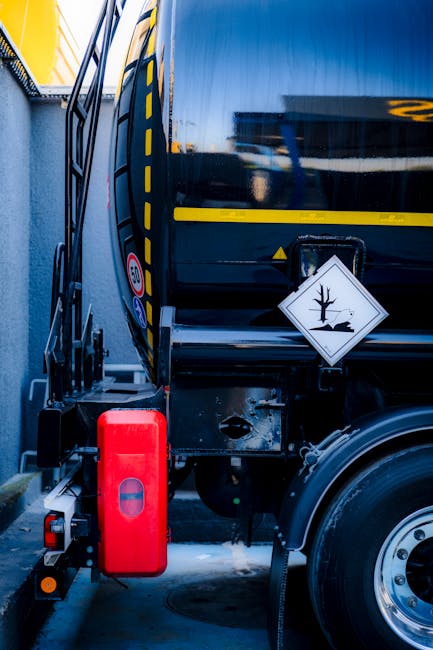
Belleville, IL, nestled just east of St. Louis, boasts a unique mix of suburban charm, vibrant neighborhoods, and thriving local businesses. With lush parks, historic landmarks, and community events at the heart of daily life, residents value a peaceful, safe environment. Yet, within this tranquil community, essential goods—like fuels, chemicals, and industrial materials—quietly move along its roads daily, delivered by specialized hazmat trucking professionals. For many, hazardous material (hazmat) transportation may seem dangerous, but strict federal regulations and local diligence make it surprisingly safe for everyone.
What is Hazmat Trucking?
Hazmat trucking refers to the transportation of hazardous materials—substances that could pose a risk to health, property, or the environment if not handled properly. These materials include fuels, chemicals, gases, and other products essential to modern living. From heating oil for Belleville homes to industrial chemicals for local businesses, hazmat transport plays a vital role in supporting the community’s needs.
Why Is Safety Critical in Hazmat Trucking?
Communities like Belleville depend on safe hazmat transport for:
- Home heating and energy supply (propane, oil, etc.)
- Sanitation products for schools and hospitals
- Water treatment chemicals for a safe local water supply
- Industrial chemicals vital to regional manufacturing plants
Despite their necessity, these substances can threaten the health and well-being of residents, first responders, and the environment if not transported with the utmost care. Therefore, companies operating hazmat trucks must comply with strict local, state, and federal requirements.
How Do Hazmat Truckers Keep Belleville Safe?
Hazmat trucking companies adopt a multilayered approach to safety that includes compliance with regulations, driver training, vehicle standards, and community engagement. Here’s how:
Rigorous Training for Drivers
All hazmat drivers undergo extensive training before they can legally operate. Certification through programs like the Hazardous Materials Endorsement (HME) ensures drivers know:
- How to identify different classes of hazardous materials
- Emergency response procedures
- Securement and containment practices
- Local routing restrictions (to avoid residential or high-traffic zones)
Belleville’s hazmat drivers often train with local fire departments and attend community safety workshops, strengthening ties with emergency services.
Strict Federal and Local Regulations
Hazmat transportation is governed by regulations, such as:
- Department of Transportation (DOT) regulations
- Environmental Protection Agency (EPA) protocols
- Illinois-specific hazmat statutes
- Regular inspection requirements for vehicles and containers
In Belleville, authorities work with transportation companies to enforce these rules, ensuring all trucks are up-to-code before they hit the road.
Advanced Safety Equipment and Technologies
Hazmat trucks operating in the Belleville area are typically equipped with:
- Spill containment systems
- Real-time GPS tracking for monitoring routes and truck locations
- Electronic logging devices for driver hours and compliance
- Secure cargo systems to prevent leaks, spills, or unauthorized access
These features help trucking companies respond swiftly to any issues and prevent potential incidents on local roads near landmarks like Belleville West High School or Southwestern Illinois College.
Emergency Planning and Community Notification
Trucking companies and local emergency agencies collaborate on emergency plans. In Belleville:
- Routes are carefully selected to minimize risk near schools, parks, and residential neighborhoods
- Emergency drills simulate potential accidents, preparing responders for rapid response
- Community notification systems alert residents about unusual hazmat traffic or road closures
This proactive approach helps maintain public safety and keeps disruption to a minimum during community events or festivals on Main Street.
Everyday Impact on Belleville Residents
While most people don’t think about it, everyday comforts rely on efficient and safe hazmat transport. Belleville’s reliable drinking water, clean public spaces, and powered homes all depend on careful logistics. Because of local efforts and regulations, dangerous situations are rare, and when issues do occur, trained professionals address them quickly.
How Residents Can Support Hazmat Safety
Community safety is a shared responsibility. Belleville residents can play a role by:
- Reporting suspicious activity or unsafe driving near hazmat trucks
- Following traffic advisories and avoiding truck routes during major shipments
- Supporting local emergency responders and staying informed about community safety measures
Participation in community safety seminars and staying up-to-date with local alerts contribute significantly to reducing risks.
Looking to the Future: Innovation in Hazmat Trucking
The hazmat transportation industry is constantly evolving with innovations, such as:
- Cleaner, more efficient trucks that reduce emissions
- Smart sensors for real-time cargo monitoring
- Enhanced safety regulations and AI-powered routing
These advancements will make hazmat trucking even safer for communities like Belleville, ensuring that as the town grows and modernizes, its residents continue to enjoy a safe, peaceful lifestyle.
Conclusion
Hazmat trucking is an often-overlooked aspect of daily life in Belleville, but it is essential for community safety and well-being. Through stringent regulations, expert training, technological innovation, and public engagement, hazmat truckers ensure that necessary materials reach their destinations without harm. By understanding and supporting these efforts, Belleville residents can take pride in the robust system that helps keep their community safe and thriving.