

 See My Latest Article on HelloNation
What Are Hazmat Trucking Safety Protocols and Why Do They Matter?
Hazardous materials (hazmat) trucking safety protocols are specific guidelines and procedures that protect people, property, and the environment from risks associated with transporting chemicals and dangerous goods by road. In Belleville, IL, residents encounter substantial freight movement due to proximity to major roadways, so understanding these protocols helps ensure community safety and peace of mind.
These protocols address everything from driver behavior and vehicle standards to how materials are loaded, contained, and responded to during incidents. They are shaped by both federal regulations and Illinois’ own transportation rules.
How Do Hazmat Trucking Regulations Affect Belleville Residents?
Federal laws, such as those from the U.S. Department of Transportation (DOT) and the Pipeline and Hazardous Materials Safety Administration (PHMSA), set a baseline for safety. Illinois follows these closely but often adds stricter measures, especially in communities where residential and industrial zones intersect, like some areas of Belleville.
For example, trucks carrying hazardous materials may have set travel routes designed to minimize time spent in residential neighborhoods or near schools. Restrictions on travel during high-traffic hours or severe weather—especially in winter when icy roads can increase accident risk—are common.
Residents benefit from knowing these basics, especially those living or working near major roads, as this understanding can clarify why certain detours or truck inspections occur in the city.
What Training Is Required for Hazmat Truck Drivers?
Anyone driving a truck with hazardous cargo must hold a commercial driver’s license (CDL) with a hazmat endorsement, which requires extra background checks, fingerprinting, and testing. More than just a legal requirement, this training covers practical knowledge and immediate-response skills.
Training includes:
- Identifying hazardous materials based on placards and documentation
- Safe vehicle handling, including navigating local weather and traffic patterns found around Belleville
- Step-by-step procedures for spills, leaks, or emergencies, with emphasis on protecting bystanders and responders
- Regular refresher courses to stay current with evolving safety standards
Strict requirements help ensure hazmat drivers on the roads in and around the city are prepared for both routine operations and the unexpected.
How Are Hazardous Materials Labeled and Identified?
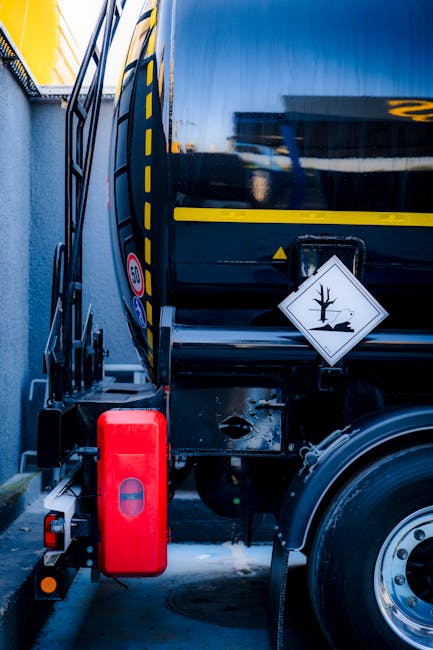
Federal law requires all hazardous shipments to display placards—diamond-shaped signs with symbols and codes that warn of contents like flammable liquids, corrosives, or toxic gases. These placards are easily visible on each side of the vehicle and inform emergency personnel about possible dangers and the right protective response.
Key details residents might notice include:
- Bright colors and bold symbols for quick identification
- Numbers at the bottom indicating the specific hazard class (for example, “2” for gases or “3” for flammable liquids)
- Paperwork carried by the driver that matches the placards, listing hazard types, emergency contacts, and response instructions
Area residents should not approach vehicles with these signs if stationary in unusual locations and can use those markings to describe incidents to first responders if necessary.
What Kind of Emergency Planning Is Involved?
Preparation for potential accidents or spills involves coordination between local fire departments, law enforcement, and environmental agencies. Belleville’s first responders regularly conduct drills using routes and scenarios relevant to the city’s unique mix of residential streets and regional thoroughfares.
Plans focus on:
- Immediate evacuation or shelter-in-place instructions for homes and schools nearby
- Quick setup of barriers and rerouting of traffic on the city’s major roads
- Use of specialized equipment, such as chemical-resistant suits and environmental containment booms
Area households can support these efforts by familiarizing themselves with community emergency alerts and pre-determined evacuation routes, especially if living near major transport corridors.
What Should Residents Do If They See a Truck Spill or Accident?
If a hazmat truck is involved in a crash or appears to be leaking, distance is the first priority. Keeping away from the area reduces risk of exposure to fumes or dangerous substances. Secure all doors and windows if indoors nearby and avoid actions that could draw more air inside, such as running exhaust fans.
Report the incident by calling 911, giving clear descriptions of the location, the truck’s placard symbols, and any visible leaks or smoke. Residents should not attempt to intervene or investigate themselves, even if the incident looks small—hazardous materials can pose invisible threats.
How Do Weather and Geography Affect Hazmat Safety Locally?
Seasonal weather and the make-up of Belleville neighborhoods add unique considerations. For instance, strong thunderstorms or winter ice storms may increase both the risk of accidents and the challenge of clean-up. Local topography, with flat open areas alternating with residential clusters, shapes emergency routes and shelter-in-place plans.
Community protocols are adjusted during:
- Heavy rainfall or flooding, which may cause leaks to move or spread unexpectedly
- Major holiday travel periods, when traffic congestion increases overall risk
- Winter conditions, which can make truck handling and spill cleanup more hazardous
Awareness of these factors helps the community understand why traffic may be managed differently when severe weather is expected.
Are There Common Misconceptions About Hazmat Trucking?
Some residents worry that all hazmat trucks pose an immediate threat or that any spill is likely to produce large-scale emergencies. In reality, most hazardous cargo is transported without incident, and robust regulations sharply reduce risks.
Misconceptions often include:
- Belief that hazmat shipments pass through the city without regulation or oversight
- Assuming any chemical placard signals high risk to bystanders
- Overlooking the thorough planning and coordination among local and state officials
Accessible community information and visible response drills help dispel these misunderstandings and keep residents accurately informed.