

 See My Latest Article on HelloNation
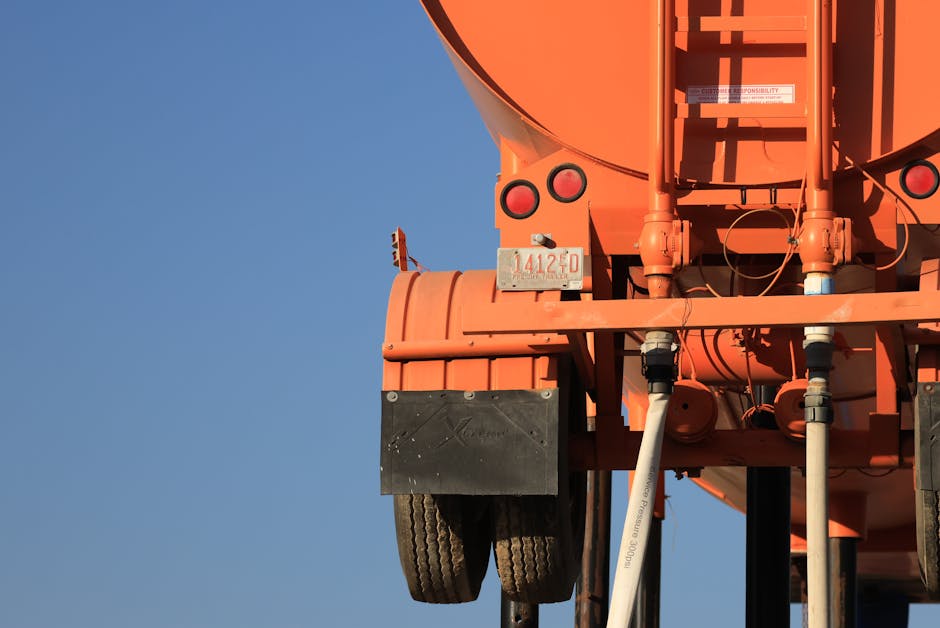
Transporting hazardous materials is a fact of life in many communities, including Belleville, IL. You might pass a hazmat truck on Highway 15 or see one parked outside a local business. Have you ever wondered what those colorful diamond-shaped signs, called hazmat placards, really mean? If you live, work, or drive in Belleville, understanding hazmat placards isn’t just for truck drivers – it’s important for everyone’s safety.
What Are Hazmat Placards?
Hazmat placards are large warning signs attached to trucks, railcars, or containers that carry hazardous materials. Each placard communicates key information about the cargo, such as its potential dangers and how it should be handled in an emergency. Placarding is mandated by federal law and helps first responders, drivers, and even everyday citizens know what risks are present.
Why Hazmat Placards Matter in Belleville, IL
Belleville is a vital hub in southwestern Illinois, with lots of truck traffic passing through to St. Louis and beyond. From the oil refineries along the Mississippi River to local manufacturing plants, hazardous materials—like chemicals, fuels, and industrial solvents—are frequently transported through our roads. Whether you’re commuting along Route 13 or shopping at a big-box store, understanding hazmat placards can affect your daily life. Quick recognition can make a difference in emergencies, from highway accidents to railroad incidents.
The Four Basic Parts of a Hazmat Placard
Every hazmat placard follows a universal format. Understanding these four basic elements can help you decode any placard you see in Belleville:
- Background Color: The color indicates the general hazard category (e.g., red for flammable, yellow for oxidizers).
- Symbol: A graphic quickly conveys the danger type, such as a flame or skull-and-crossbones.
- Class Number: Located at the bottom, this number identifies one of the nine hazard classes.
- Material ID Number (UN/NA Number): In the center, this 4-digit number specifies the exact chemical or material.
Knowing these elements can empower you to understand what any hazmat placard means the next time you see one on an IL highway.
The Nine Hazard Classes: What Do They Mean?
Hazardous materials fall into nine main classes, each with its own risks and handling rules:
1. Class 1 – Explosives
- *Color*: Orange
- *Symbol*: Exploding bomb
- Seen on trucks transporting blasting agents for local construction or fireworks displays in Belleville parks.
2. Class 2 – Gases
- *Color*: Green (non-flammable), Red (flammable), Yellow (oxidizer)
- *Symbol*: Gas cylinder or flame
- Common gases include propane for BBQs or medical oxygen delivered to area hospitals.
3. Class 3 – Flammable Liquids
- *Color*: Red
- *Symbol*: Flame
- Includes gasoline, often seen at Belleville gas stations or local fuel depots.
4. Class 4 – Flammable Solids
- *Color*: Red and white stripes
- *Symbol*: Flame
- Seen with some industrial chemicals or hobby chemicals used in workshops.
5. Class 5 – Oxidizers and Organic Peroxides
- *Color*: Yellow (oxidizer), Red/yellow (organic peroxide)
- *Symbol*: Flame over a circle
- These speed up fires, used in water treatment plants and some cleaning industries.
6. Class 6 – Toxic & Infectious Substances
- *Color*: White
- *Symbol*: Skull and crossbones or biohazard
- Occurs with medical waste pickups from Belleville clinics and hospitals.
7. Class 7 – Radioactive Materials
- *Color*: Yellow and white
- *Symbol*: Trefoil radiation symbol
- Rare but seen in medical or research shipments.
8. Class 8 – Corrosives
- *Color*: Black and white
- *Symbol*: Test tubes pouring liquid on hand and metal
- Used in battery manufacturing or industrial cleaning products.
9. Class 9 – Miscellaneous Dangerous Goods
- *Color*: Black and white stripes
- *Symbol*: None specific, just class number
- Includes substances like dry ice, sometimes shipped from Belleville’s food warehouses.
How First Responders Use Hazmat Placards in Emergencies
Local first responders in Belleville are trained to read hazmat placards at accident scenes. Knowing the placard details, they can take the appropriate precautions—like using hazmat suits or choosing the right firefighting technique. This rapid recognition can protect Belleville neighborhoods, schools, and businesses.
What to Do If You See a Hazmat Placard
If you spot a placard on a truck or at a facility in Belleville, here’s what you should do:
- Keep Your Distance: Hazmat placards mean hazardous materials are present. Leave plenty of space, especially if you see a placard in an accident zone on the road.
- Report Suspicious Activity: If something seems off—like a leaking container or an abandoned, placarded vehicle—contact local authorities or the Belleville Police Department.
- Stay Informed During Emergencies: Listen to local news or Belleville’s emergency alert system for instructions regarding hazmat incidents.
Hazmat Placard Safety Tips for Belleville Residents
- Avoid tailgating trucks with hazmat placards, especially on heavy-traffic stretches like Route 15, to allow for sudden stops.
- Teach young drivers and students in Belleville-area schools to recognize placards for their safety.
- Support local first responders by learning the basics—community awareness can make all the difference.
Conclusion
Hazmat placards aren’t just for truck drivers—they’re a critical part of community safety in Belleville, IL. Next time you see that diamond-shaped sign, take a moment to remember what it stands for: preparation, safety, and quick action in emergencies. Stay alert, stay informed, and help keep Belleville safe for everyone.