

 See My Latest Article on HelloNation
What Are Hazardous Materials and Why Are They Classified?
Hazardous materials, often shortened to “hazmat,” are substances that pose risks to health, safety, or property if mismanaged. Both federal and state laws require these materials to be classified according to the type of danger they present. These classifications help ensure proper handling, storage, and transportation—essentials for any community, including Belleville, IL, where shipments regularly travel highways, rail, and pass close to residential areas.
Classifying hazardous materials is not just an administrative detail. Each class demands specific precautions. Knowing these categories helps area households, local businesses, and transportation providers respond safely in emergencies or when spotting a hazmat placard on a passing truck.
How Are Hazardous Material Classes Organized?
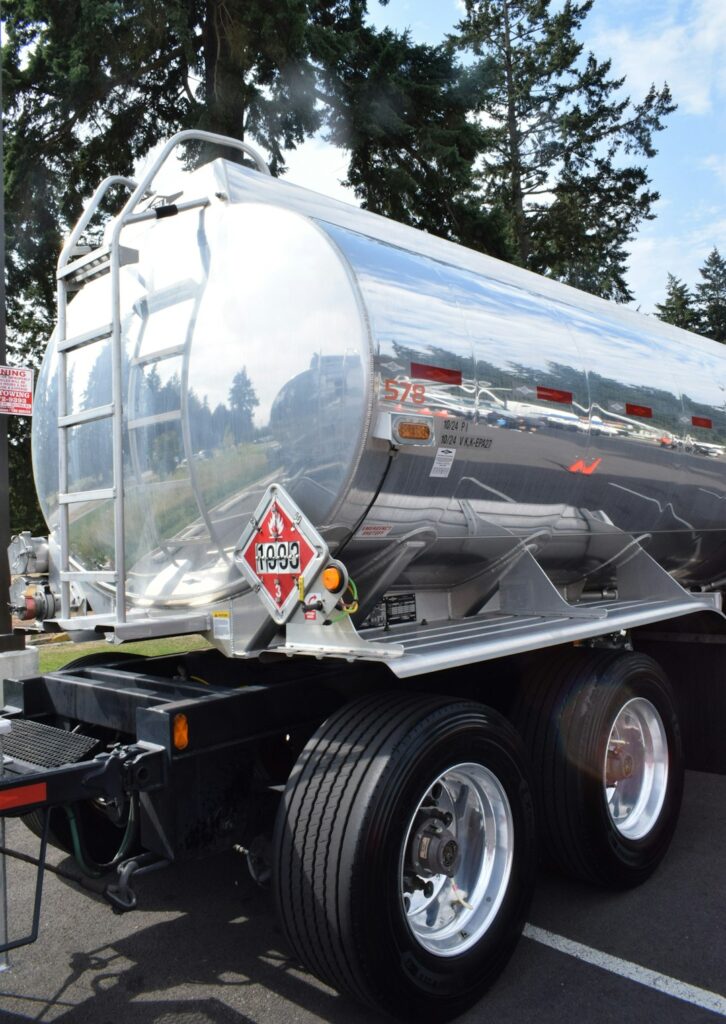
The U.S. Department of Transportation (DOT) uses a numbering system that divides hazardous materials into nine main classes, with further subcategories in some cases. These numbers appear on the diamond-shaped placards attached to hazmat vehicles you might see on local roads.
Here’s a quick outline:
- Class 1: Explosives
- Class 2: Gases
- Class 3: Flammable liquids
- Class 4: Flammable solids
- Class 5: Oxidizers and organic peroxides
- Class 6: Toxic and infectious substances
- Class 7: Radioactive materials
- Class 8: Corrosives
- Class 9: Miscellaneous dangerous goods
Each class has clear characteristics and risks. Misidentifying a shipment can lead to unsafe responses in an emergency.
What Are Common Examples of These Classes Seen in Belleville?
Different classes are encountered in everyday life and local industry, not just in large-scale disasters or trucking incidents.
- Class 1 Explosives: Used in road construction or fireworks, though rare around most homes.
- Class 2 Gases: Includes propane tanks for grills, medical oxygen for home health needs, and refrigerant cylinders for HVAC, all common in local households and businesses.
- Class 3 Flammable Liquids: Gasoline, paint thinners, and some cleaning alcohols found at hardware stores.
- Class 4 Flammable Solids: Includes matches, some pool chemicals, or substances that ignite through friction—less common in residential settings, but present in some hobby materials.
- Class 5 Oxidizers: Pool shock (calcium hypochlorite), used for home swimming pools.
- Class 6 Toxic Substances: Pesticides or some medical specimens occasionally shipped between local clinics.
- Class 7 Radioactive Materials: Medical equipment or diagnostic materials, seen mainly at hospitals or specialty clinics.
- Class 8 Corrosives: Industrial cleaners or car batteries, both present in some Belleville garages.
- Class 9 Miscellaneous: Includes dry ice, lithium batteries, and some environmentally hazardous substances used in electronics or shipping.
Residents may not realize how often these materials move through the city, even if they are used safely and legally.
What Should Residents Know When Seeing Hazmat Placards or Trucks?
Seeing a placard means the vehicle is carrying a substance that falls into one of these hazard classes. Locals may wonder if the truck poses a risk or what the placard numbers mean.
The numbers and icons are not random. For instance:
- A red placard with a flame icon and “3” signals a flammable liquid, like gasoline or paint thinner.
- A yellow placard with a flame over a circle and “5.1” is an oxidizer—think of strong pool chemicals.
- A white placard with a skull and crossbones and “6” signals a toxic substance.
Key tips for area residents:
- Do not approach vehicles with hazmat placards if an accident occurs nearby. Emergency responders use these placards to identify risks and choose protective gear.
- In the case of a road spill or unusual chemical odors, report the exact placard number and color to 911, as this helps local responders coordinate with the Belleville fire department and follow the right safety protocols.
- Hazmat regulations are strictly enforced within the community, making accidental exposure from normal vehicle operation very rare.
Are There Misconceptions About Hazardous Materials in Local Transport?

Yes, several beliefs are widespread in Belleville and surrounding regions:
- Not all hazmat shipments are extremely dangerous. Some everyday products—like propane, pool chemicals, or cleaning agents—fall under these rules.
- Placards don’t mean something is leaking or about to explode. They simply provide quick, standardized information, so emergency crews are ready for any scenario.
- Many safety incidents happen not during mass transit, but during improper storage or disposal at homes or businesses. Following product labels and area waste guidelines reduces accidental risk more than most realize.
- The presence of hazardous materials in transit is not necessarily a sign of a significant risk to neighborhoods. National standards help ensure that trucks are routed, inspected, and managed to minimize exposure.
What Are Specific Local Considerations for Belleville Households?
Belleville experiences a range of temperatures, from humid summers to freezing winters, affecting chemical storage. Residents should remember:
- Never store flammable or reactive chemicals in garages or sheds exposed to extreme heat or cold, as climate conditions can raise risks of venting or reactions.
- Be aware that Belleville’s older housing stock may have legacy chemicals (like old paint removers or pesticides) in basements or outbuildings; these could fall under hazardous categories and need special disposal.
- Community collection days for hazardous household waste accept items from several classes. Residents should check the specific items accepted each year, as rules sometimes change owing to environmental and safety concerns.
How Can Local Schools and Community Groups Educate About Hazmat Safety?
Awareness and basic knowledge are most helpful for schools and organizations:
- Incorporate lessons on household chemicals into science curricula, connecting real-life products to hazmat classes, especially for older students.
- Invite emergency responders to offer informational talks explaining how placards and classes translate to local response plans, including evacuation and shelter-in-place practices.
- Promote campaigns around proper disposal of batteries, paints, and other hazardous items, engaging youth and families in community-wide safety efforts.
What Should You Do If You Suspect Hazardous Material Exposure?
If a spill, strange odor, or contact with an unknown substance occurs:
- Move away from the immediate area and avoid touching the material.
- Call 911 and provide clear descriptions, including placard numbers if visible.
- Wait for instructions from emergency services rather than attempting cleanup, as even small quantities of some chemicals can require professional handling.
- In Belleville, follow public updates on local radio, social media, or emergency notifications.
Understanding hazard classes and their practical realities helps community members stay informed, safe, and prepared should an incident occur.