

 See My Latest Article on HelloNation
What Is Hazmat Trucking?
Hazmat trucking refers to the transportation of hazardous materials—substances that can pose risks to health, safety, property, or the environment—by truck. These materials can include chemicals, fuels, gases, radioactive products, and certain types of waste. In cities like Belleville, IL, this service is critical because many everyday products and industrial supplies travel through the area by road. Federal and state regulations outline strict rules on how these materials must be handled to protect drivers, residents, and the environment.
Why Is Hazmat Trucking Needed in Belleville?
Belleville’s location within a regional network of highways and its mix of industrial, commercial, and residential zones means hazardous materials often pass through the city. Materials like propane, chlorine for water treatment, fuel shipments, and agricultural chemicals are commonly transported. These deliveries make it possible for local homes to stay heated, water facilities to operate safely, and industries to maintain production.
How Are Hazardous Materials Classified?
Hazardous materials are classified into nine categories, each posing unique risks. The most common classes in the area include flammable liquids (like gasoline), compressed gases, corrosive substances, and poisonous materials. Recognizing the class of a material is key for handlers and first responders to know how to respond in case of a spill or accident.
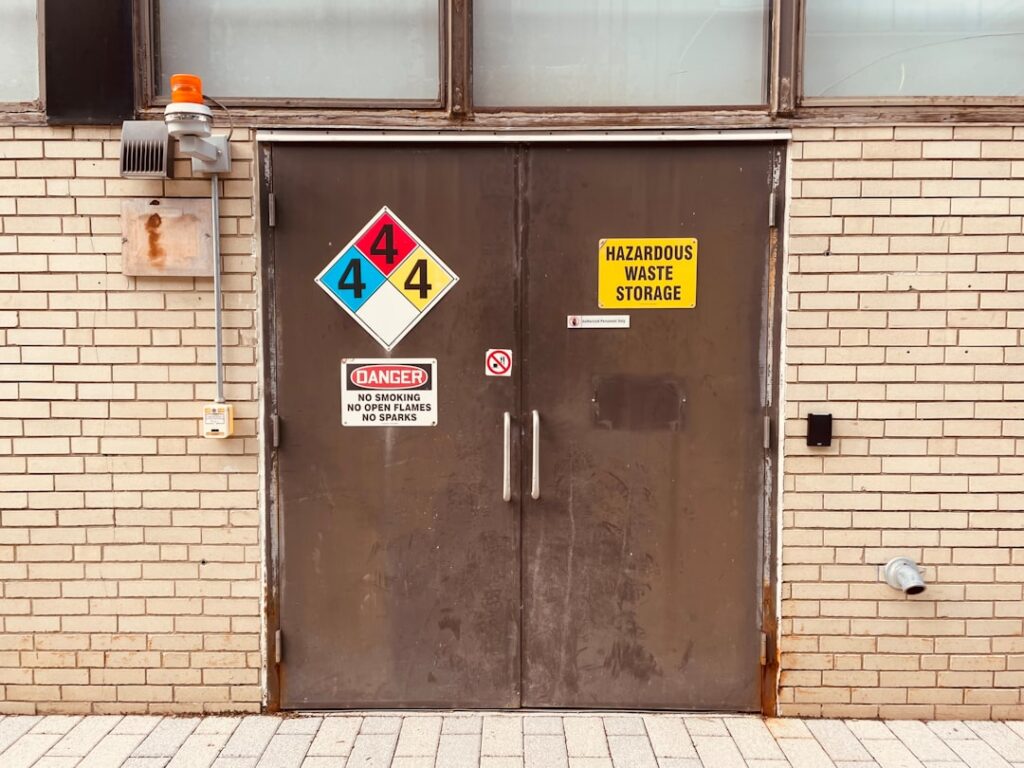
To ensure proper handling, trucks display specific placards on their trailers to indicate the exact type of material being transported. For example, a tanker carrying flammable liquids must display a red placard with a flame symbol. Local emergency personnel are trained to recognize and respond to these placards on Belleville’s roads.
How Are Hazmat Shipments Regulated?
Hazmat trucking in Belleville, as across the United States, is governed by both the U.S. Department of Transportation (DOT) and local authorities. These regulations cover:
- Driver qualifications: Operators must hold a Commercial Driver’s License (CDL) with an added Hazmat (H) endorsement, which requires passing background checks, exams, and regular retraining.
- Vehicle standards: Trucks must be built and maintained to specific safety standards, including leak-proof containers and emergency shutoff valves.
- Packaging and labeling: Containers must meet rigorous standards and clearly show hazard labels.
- Routes and timing: Certain streets or areas may restrict hazmat transport during specific hours or require designated routes to minimize risk near busy neighborhoods, schools, or hospitals.
- Emergency response plans: Companies transporting hazardous materials must have detailed plans for potential accidents, including communication procedures with local emergency teams.
These layers of regulation are designed to reduce the likelihood of incidents and ensure a swift, coordinated response should one occur.
What Does a Hazmat Trucker’s Job Involve?
Driving a hazmat truck requires special skills and a heightened sense of responsibility. Local drivers undergo extensive training on the safe handling, loading, and unloading of dangerous goods. Their typical tasks include:
- Inspecting loads before departure to ensure containers are intact and secure
- Following designated routes as instructed by regulations or local authorities
- Keeping detailed records of shipments and compliance checks
- Conducting safety checks at scheduled intervals
- Responding to unexpected situations, such as road closures or severe weather, with a focus on public safety
In Belleville’s often changing weather or during periods of higher road traffic, drivers must stay vigilant and adjust their routes and schedules as necessary.

What Happens in the Event of a Hazmat Incident?
If an accident or spill occurs on roads in or near Belleville, response follows a practiced protocol to limit risks to health and the environment. First responders, such as the local fire department and emergency management teams, are trained to contain hazards based on the class of material involved. They use specialized equipment and may temporarily close roads or evacuate nearby buildings if needed. Communication with area households is a top priority. Local authorities quickly issue warnings or advisories when an incident could affect air quality, drinking water, or general safety. Residents may be advised to avoid certain routes or, in rare cases, take shelter indoors.
Common Misconceptions About Hazmat Trucking
Some residents may assume that all hazmat trucking is inherently dangerous, but data show that incidents are rare when regulations are followed. Most shipments reach their destinations without any problems thanks to strict controls and ongoing driver training. Another misconception is that only explosive or radioactive materials are hazardous. In reality, substances like fertilizers, paints, and cleaning chemicals may all be regulated as hazardous for transport purposes.
How Are Local Residents Kept Safe?
Safety measures for area residents include:
- Clearly marked trucks, so first responders and others can identify hazards instantly
- Advance notice for particularly sensitive shipments, such as those near schools or hospitals
- Training for local emergency services, enabling fast, informed responses
- Community education and drills led by public agencies
Residents who notice a truck with hazmat placards parked in an unusual location or see signs of a leak should keep a safe distance and alert local authorities.
What Should Residents Know About Hazmat Trucking Passing Through Their Neighborhoods?
Most shipments are scheduled at times or via routes designed to minimize impact on populated areas. Deliveries are coordinated with local authorities and follow strict safety standards. While it’s natural to have concerns, the systems in place prioritize community safety. Keeping informed and knowing how to read vehicle placards can help area households understand what types of materials are moving through the region and how risks are managed.