

 See My Latest Article on HelloNation
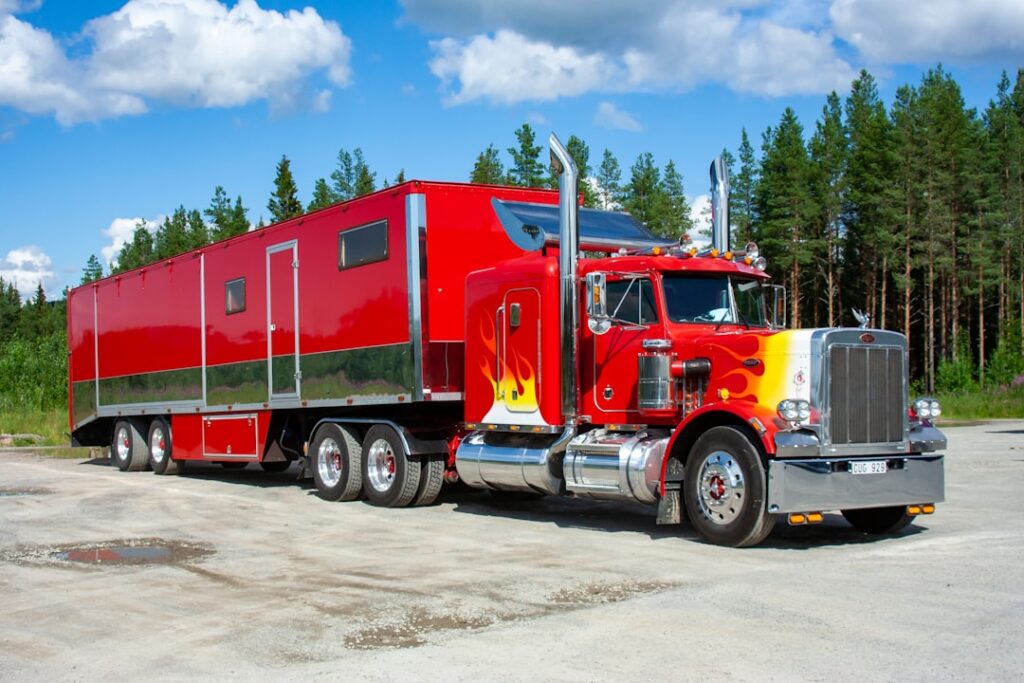
Are Hazmat Trucks More Dangerous Than Other Trucks?
Hazmat trucks may sound intimidating, but the risks are often misunderstood. Most hazardous material transports are routine, with few incidents compared to the number of trips made each year. Drivers handling these loads in and around Belleville receive specialized training, and strict regulations govern their every move.
Local residents sometimes worry that hazmat shipments are more likely to cause accidents or endanger neighborhoods. Actually, these trucks face additional federal safety rules and frequent inspections. Spills or releases are rare, and publicized events often involve factors unrelated to the materials transported—like driver error by another vehicle or severe weather.
Do Hazmat Trucks Travel Through Residential Streets in Belleville?
Hazmat trucks follow specific routes approved by state and local authorities. In Belleville, most through-traffic is directed onto designated highways and arterial roads designed for heavy vehicles. Residential streets are typically avoided as much as possible.
It’s not impossible to see a hazmat-labeled vehicle in a neighborhood; for example, fuel trucks may deliver to gas stations within the community, or pool supply companies may transport chemicals to local businesses. In these cases, strict delivery guidelines and safety checks are followed. However, routine through-hauling of hazardous materials is not permitted on most neighborhood streets.
Are All Chemicals in Hazmat Trucks Dangerous to the Public?
Not every load in a labeled truck poses a severe risk to the general population. The term “hazardous materials” includes items ranging from household cleaning supplies to industrial gases. Many materials require a hazmat sticker simply because of regulatory classification, not because they’re extremely toxic or reactive.
For example:
- Paints, adhesives, or some batteries require hazmat labels for commercial haulage.
- Gasoline is highly flammable but commonly transported in bulk as part of daily life.
While every material in transit must be handled with care, not all pose an immediate or high-level threat to households or passing vehicles.
Is There Frequent Risk of Hazmat Spills in Belleville?
Spills and releases during transport do occur but are quite rare, especially when considering the volume of dangerous goods moved in and out of the city. Regulations set by the U.S. Department of Transportation and Illinois state agencies require robust containment, regular inspection, and immediate reporting of any incidents.
Most minor incidents involve small leaks caught during inspection at industrial sites or transfer facilities rather than in residential areas. Emergency responder teams in the region, including fire departments, participate in drills and training specifically for such scenarios, further reducing actual risk to the community.
Do Hazmat Drivers Face Extra Requirements?
Professional drivers transporting hazardous materials are subject to background checks, medical evaluations, and must maintain a special endorsement on their commercial license. Failure to follow all applicable local, state, and federal rules leads to stiff penalties.
These drivers carry safety and incident response training not required of typical truck drivers, equipping them to respond calmly and procedures for every step of their route—especially in the varied conditions common to the Midwest, such as icy roads or summer storms.
Does the Presence of Hazmat Trucks Mean More Pollution in Belleville?
Some residents assume that hazardous materials trucks automatically increase local air or water pollution risk. The actual environmental impact depends on the type of cargo, condition of the vehicle, and whether proper protocols are followed.
Routine transport is designed to be as incident-free as possible:
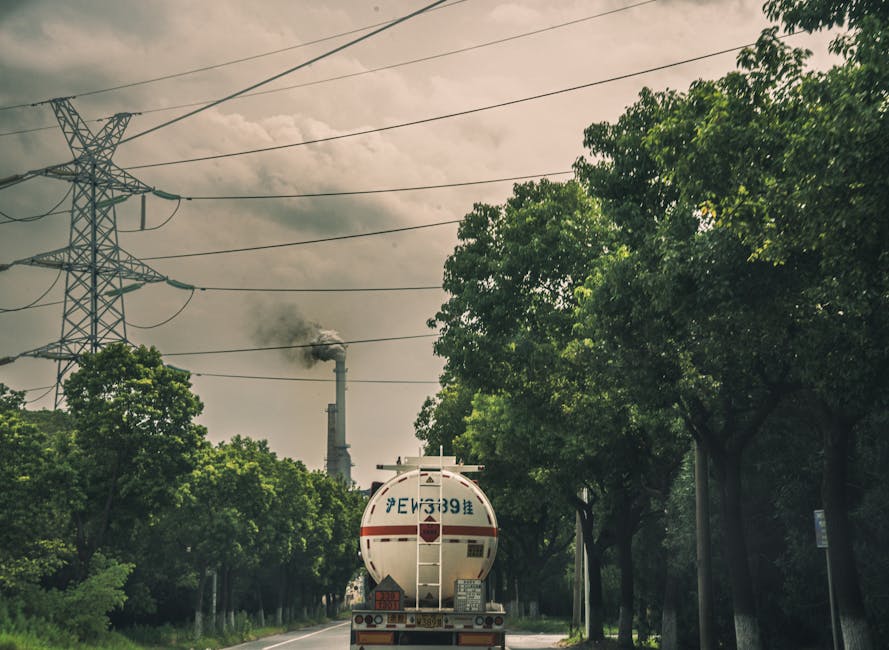
- Vehicles are maintained to minimize leaks or mechanical failure.
- Regulations require detailed logs to track all material in transit.
- Idling time, access to fueling areas, and truck plazas are monitored by authorities to ensure compliance with emissions laws.
Daily traffic patterns, nearby highways, and weather can affect perceived risk, but a properly operating hazmat vehicle poses no more environmental threat than any other similar truck on the road.
Can Residents Be Informed About Hazmat Shipments in the Area?
Laws at the federal and state level limit the public release of specific shipment information, mainly for security reasons. However, regulatory agencies, including the Illinois Department of Transportation and emergency management officials, coordinate with local authorities to keep response plans updated. Residents concerned about specific routes or the safety of nearby schools or parks can access general information through public safety meetings or local council updates. Community organizations occasionally host information sessions, where questions about hazmat transport and area preparedness can be answered by professionals working with public agencies.
Is a Hazmat Truck More Likely to Cause a Road Closure?
It’s true that, in the rare event of an incident, authorities may temporarily close roads to secure the area and protect public safety. However, most truck traffic disruptions in the city are due to construction, routine accidents, or weather—not hazardous materials. When a road closure is needed, it is usually short-lived and handled with a focus on minimizing disruption while ensuring that emergency protocols are followed to keep people and property safe. Notifications through local law enforcement channels help keep the public updated.
What Happens if There’s a Spill or Emergency in the Belleville Area?
If a hazardous materials spill occurs, first responders follow a well-established set of procedures. Local fire departments, police, and specialized hazmat teams are trained specifically for these scenarios. Area response often involves evacuations in the immediate vicinity, traffic rerouting, and immediate containment efforts.
Residents do not generally need to take action unless directed by public officials. Information is shared via regional emergency services websites, local news, and official social media channels. Local schools, hospitals, and care facilities have specific response plans in place for hazardous events.