

 See My Latest Article on HelloNation
Which Hazardous Materials Are Most Often Transported in and Around Belleville, IL?
Several types of hazardous materials move frequently along the roads, rails, and highways near Belleville, IL. This activity supports local industry and daily life, but it also means community members often see placarded trucks or railcars labeled with unfamiliar codes. The most common materials passing through the region include flammable liquids like gasoline and diesel, industrial chemicals such as chlorine, various compressed gases, and everyday consumer products with hazardous labels.
This movement is shaped by the agricultural, manufacturing, and logistics roles Belleville plays in the St. Louis metro area. Residents may notice heightened hazmat traffic at certain times or routes—especially near major roadways, railyards, and distribution hubs.
Why Are These Materials Classified as Hazardous?
Hazardous materials (often called hazmat) are classified this way due to their physical or chemical threats to people, property, or the environment. In Belleville, common transported materials fall into several regulatory classes:
- Flammable liquids: risk of fire or explosion (e.g., gasoline, ethanol, diesel fuel)
- Gases under pressure: risk from leaks, explosions, or asphyxiation (e.g., propane, anhydrous ammonia)
- Corrosive substances: danger to human tissue or infrastructure (e.g., sulfuric acid, hydrochloric acid)
- Toxic chemicals: potential for poisoning or respiratory harm (e.g., chlorine gas, pesticides)
- Radioactive materials: possible radiation exposure (moving through, but not commonly held or used locally)
Transportation regulations are strict. Most area hazmat moves are routine and highly controlled, but understanding the risks involved helps residents stay informed.
What Flammable Liquids Are Frequently Moved?
Flammable liquids are by far the most visible hazardous materials in local transport. Typical examples include:
- Gasoline and diesel: Essential for vehicle fueling stations, farm operations, and emergency services in and near Belleville.
- Ethanol and alcohol-based fuels: Common as blending agents, particularly near agricultural areas.
- Industrial solvents and paints: Regularly trucked to support manufacturing and trade businesses.
In warm Midwest months, increased travel and farm work mean more fuel shipments pass through the city. Storage tanks, tankers, and railcars carrying these liquids are designed to minimize leaks or sparks, and local emergency responders train specifically for flammable liquid incidents.
Are Compressed Gases a Significant Concern in Belleville?
Yes, compressed gases are moved frequently and play a crucial role in local agriculture, healthcare, food service, and manufacturing. These include:
- Propane: Delivered for heating, grilling, and agricultural use across neighborhoods and rural fringe areas.
- Anhydrous ammonia: Especially common during spring and fall planting and fertilization; used directly on nearby farmlands.
- Refrigerant gases and industrial oxygen: Delivered to hospitals, medical clinics, and industrial plants.
Residents often see distinctive cylinders secured on flatbeds or smaller delivery vehicles. While safe under normal conditions, any motor vehicle accident or equipment failure can turn a routine delivery into a risk for leaks or chemical release.
How Are Corrosive and Toxic Chemicals Handled During Local Transport?
Several materials classified as corrosive or toxic move through Belleville’s roadways, supporting industrial cleaning, water treatment, and various manufacturing or agricultural needs.
Corrosives frequently transported:
- Sulfuric acid (battery production, water treatment)
- Hydrochloric acid (industrial cleaning, pool maintenance)
- Ammonium hydroxide (water purification, agriculture)
Toxics frequently transported:
- Chlorine gas (municipal water and wastewater plants)
- Pesticides, herbicides, and insecticides (farming supply deliveries)
- Industrial chemical byproducts (manufacturing waste for treatment/disposal)

Transport vehicles carrying these chemicals are clearly marked, and routes are chosen to minimize urban traffic disruption where possible. Though major accidents are rare, response planning is a focus for local agencies, especially near schools, parks, and busy roadways.
What Everyday Products Might Surprise Residents By Qualifying as Hazmat?
Many items used in homes and businesses fall under hazardous regulations when shipped in bulk or concentrated form. These include:
- Paints, stains, and thinners
- Batteries (both automotive and rechargeable household types)
- Cleaning supplies with strong chemicals
- Aerosol cans and certain pressurized beauty products
While individual products are safe when handled as directed, shipping and bulk movement raise risks that merit special labeling and safeguards.
How Can Residents Identify Hazmat Shipments?
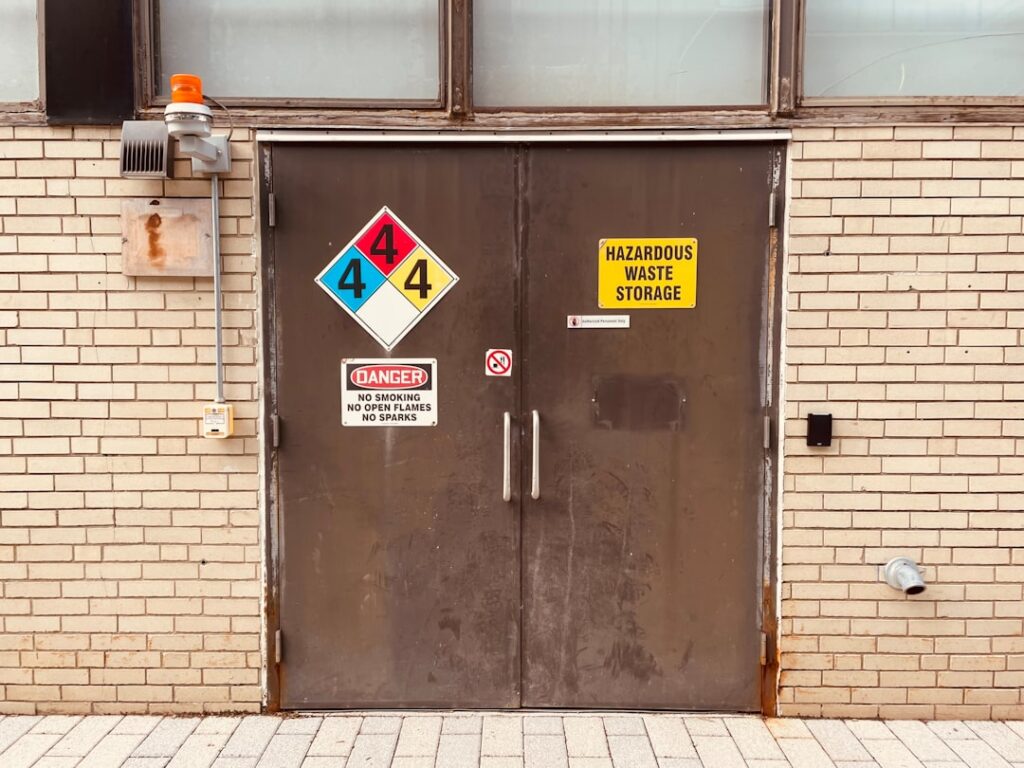
The unmistakable diamond-shaped placards on trucks, trains, or containers indicate what kind of hazard a material presents. Each placard features a color, symbol, and four-digit code:
- Red: Flammable
- Yellow: Oxidizer
- Blue or white: Health hazard or corrosive
- Green: Non-flammable gas
- Yellow/white or black: Toxic or radioactive
Residents may notice these on local highways such as Route 15, truck routes passing near neighborhoods, or trains passing through crossings near Belleville. Familiarity with these symbols can help the community recognize when a vehicle is carrying potentially dangerous cargo, especially during traffic incidents or road closures.
What Should Area Residents Understand About Hazmat Trucking Safety?
Strict federal, state, and local guidelines govern hazardous material transportation in Belleville and throughout the region. Companies providing these services must maintain specialized vehicles, follow route restrictions, and train drivers to respond to potential emergencies. Local fire departments, law enforcement, and emergency management offices in Belleville regularly prepare and drill for hazmat scenarios, working to protect area households and businesses.
Residents curious about traffic disruptions, sirens, or road closures may find that hazmat transport incidents are rare but receive a strong, coordinated response when they do occur. Most shipments travel through the community without issue. When concerns arise, following official instructions from public safety agencies is the wisest approach.