

 See My Latest Article on HelloNation
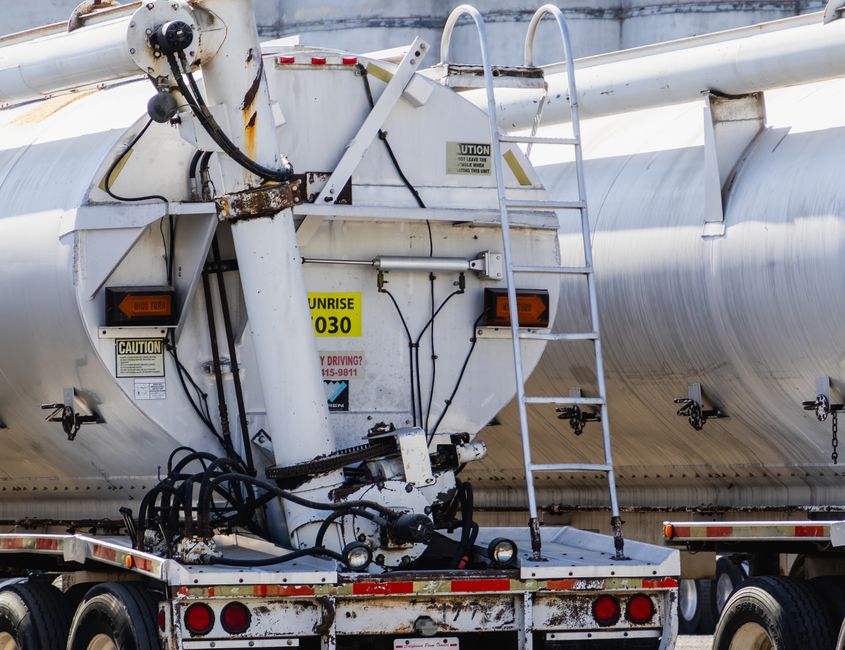
What Is a Hazmat Truck Driver’s Role in Belleville, IL?
A hazmat truck driver’s main responsibility is transporting hazardous materials safely across city roads, highways, and rural routes. In Belleville, these drivers help keep the community supplied with essential products while also protecting public health and the environment.
The types of hazardous materials might include fuel, chemicals used in local manufacturing, medical gases, or even agricultural supplies. Each load requires careful planning, secure transport, and strict adherence to federal and Illinois regulations.
How Does a Hazmat Truck Driver’s Day Begin?
A typical day often starts early, long before sunrise. The driver reviews their trip plan, double-checks that all paperwork—such as shipping manifests, Safety Data Sheets (SDS), and route approvals—are in order. Local weather, recent roadwork, and traffic congestion are checked, especially since rural roads around Belleville can be affected by seasonal flooding or icy winter conditions.
Before ever leaving the terminal:
- The truck and trailer undergo a full pre-trip inspection.
- Safety equipment, such as fire extinguishers and spill kits, is verified.
- Placards displaying hazard classes are installed or checked, ensuring compliance with local and federal law.
What Are the Major Safety Practices on the Road?
Safety is central to every aspect of the job. Hazmat drivers in Belleville take extra precautions when traveling through residential areas, school zones, and near local waterways like the nearby Mississippi River tributaries. Regulations often require special routing to avoid densely populated neighborhoods and sensitive environmental areas.
A few common practices include:
- Maintaining slower speeds on city streets and in bad weather.
- Avoiding sudden stops or sharp turns, which could shift a hazardous load.
- Constant communication with dispatch, especially if there are any incidents or route changes.
How Does Paperwork and Regulation Affect a Typical Day?
Federal rules (like those from the FMCSA and DOT) and specific Illinois state regulations mean paperwork is ever-present. Drivers must carry documentation for every substance transported and know how to explain these during routine inspections at weigh stations or roadside checks.
In Belleville, local agencies may coordinate with state officials for periodic inspections. Drivers also follow community notification rules if transporting especially sensitive loads within city limits.
What Kinds of Challenges Do Hazmat Drivers Face on Belleville Roads?
Road conditions in and around Belleville can create additional hurdles:
- Flooded rural roads or icy overpasses during colder months
- Construction detours on major thoroughfares
- Occasional delays near active railroad crossings
The driver must regularly reroute and adjust delivery schedules while ensuring legal and safe operation of their vehicle.
Where Do Belleville’s Hazmat Drivers Typically Deliver?
Deliveries often include:
- Fuel stations
- Local manufacturing facilities
- Hospitals and clinics (for medical gases or pharmaceutical chemicals)
Each location may have its own unloading procedures, safety zones, and hours of operation. Drivers may need to use specialized equipment, including hoses and safety gear, to unload hazardous materials safely.
What Training and Certification Is Required?
Hazmat truck drivers need a Commercial Driver’s License (CDL) with a Hazmat (H) endorsement and often a Tanker (N) endorsement. To earn these, drivers must pass written tests and background checks.
Ongoing safety courses and emergency response drills are mandatory. Many carriers operating in the Belleville area also require refresher training every few years to ensure all practices meet changing federal and local standards.
How Do Weather and Local Geography Affect Hazmat Transport in the Area?
Belleville’s climate means hazmat drivers face spring storms, summer heat, fall fog, and winter ice. Each weather pattern brings unique risks. For example, rain can make rural gravel roads impassable for heavy vehicles, while frost can increase the risk of skidding.
Route planning frequently takes local floodplains, elevation changes, and proximity to residential neighborhoods into account to minimize risk.
What Do Residents Notice About Hazmat Trucking in Their Community?
Residents might spot trucks displaying special diamond-shaped placards on the sides and rear, marked with numbers and symbols indicating the type of material being transported. Drivers usually avoid high-traffic residential streets and are cautious at local intersections and near schools.
Misconceptions sometimes arise, such as assuming these drivers operate at higher danger than other commercial drivers; in reality, stringent training and oversight often make hazmat transport some of the safest large-vehicle work.
What Happens During Unplanned Events Like Spills or Mechanical Failures?
Hazmat drivers are trained to respond quickly but calmly in emergencies. Belleville’s emergency response personnel are often notified automatically if a spill or accident occurs within city limits, and drivers follow strict protocols such as:
- Securing the site and moving to a safe distance if needed
- Calling for specialized hazmat responders
- Providing accurate cargo and material details to first responders
Drivers must also complete incident reports, even for minor events, to comply with oversight and future risk reduction.
What Motivates Hazmat Truck Drivers in Belleville?
Many drivers choose this field for the challenge, higher standards, and sense of responsibility toward the community. The job requires professionalism, attention to detail, and an understanding of how their work impacts public safety and local life.
These drivers play a quiet but vital role in keeping Belleville running smoothly—delivering the materials that fuel, supply, and protect area residents every day.