

 See My Latest Article on HelloNation
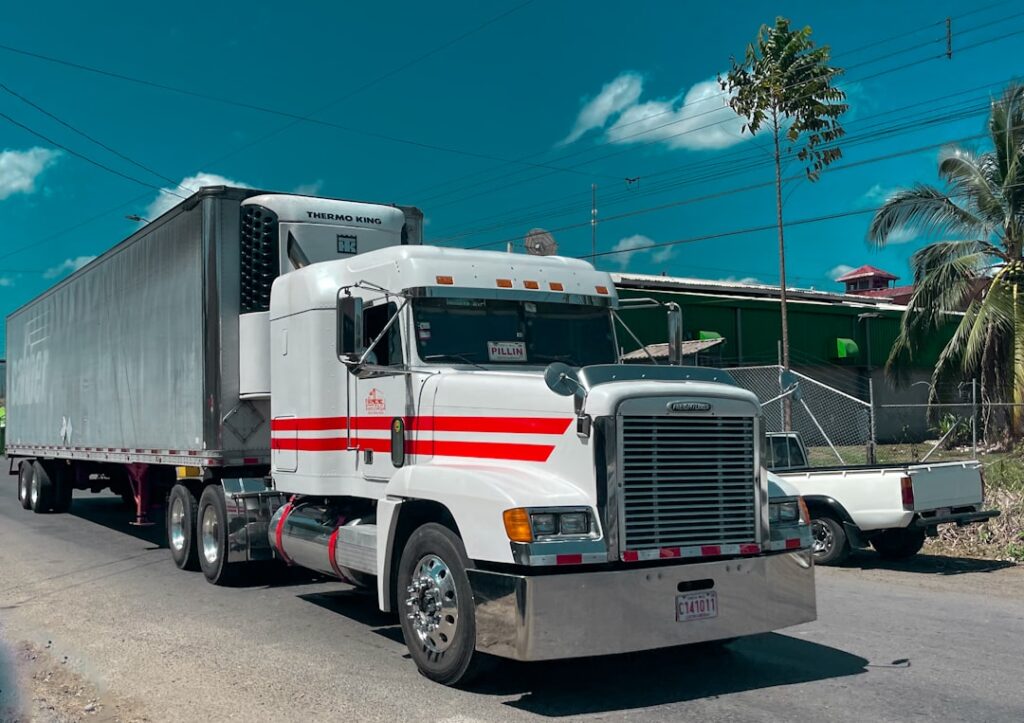
What Does a Hazmat Truck Driver Actually Do Each Day?
A Hazmat truck driver’s day involves more than just driving; it involves specialized safety routines, careful planning, and regular compliance with federal and state regulations. In Belleville, IL, this role supports local industry by transporting materials considered hazardous, ranging from fuel to chemicals used in manufacturing and agriculture.
Drivers are responsible for:
- Inspecting equipment and vehicles for safety before any departure.
- Navigating routes that avoid restricted or high-traffic areas, especially during school or community events common in the area.
- Loading and unloading hazardous materials following proper containment and handling rules.
- Maintaining accurate, legal documentation for every delivery.
How Does a Typical Workday Begin?
Most Hazmat truck drivers in Belleville start before sunrise, using quiet hours to prepare vehicles when city streets are least busy. The morning often starts with:
- Reviewing paperwork and shipment details in a secure parking area.
- Conducting a comprehensive inspection of the truck—checking brakes, tires, containment seals, emergency equipment, and placards that signal the nature of the cargo.
- Confirming that every safety permit and document is accessible for potential roadside inspections.
In cooler months, extra care goes into tire and brake checks to account for the potential of icy roads on city highways and rural routes around Belleville.
How Are Routes Planned and Managed?
Planning routes as a Hazmat driver in Belleville involves more than GPS input. Drivers must consider:
- Restricted city zones for hazardous materials (such as near schools or hospitals).
- Local traffic patterns, especially during major events or construction projects.
- Weather conditions that affect road safety, like spring floods or winter ice.
If a planned boulevard or bridge is under temporary closure, drivers may need to communicate directly with local authorities before rerouting, especially when dealing with time-sensitive or tightly regulated shipments.
What Kinds of Hazards and Safety Precautions Are Involved?
Urban areas and rural outskirts both present unique risks. Hazmat drivers must anticipate challenges, adapting their routine as needed:
- Navigating residential neighborhoods carefully during school drop-off and pick-up periods.
- Keeping a safe perimeter around the truck when parked or making deliveries, especially near public spaces.
- Wearing and carrying appropriate personal protective equipment (PPE) such as gloves, goggles, and chemical-resistant clothing during loading or emergencies.
- Using extra caution during extreme weather conditions—spring thunderstorms and snow in winter are not uncommon in the area.
A common misconception among local residents is that Hazmat drivers are always hauling highly dangerous explosives. In reality, most loads consist of regulated materials like cleaning chemicals, petroleum products, or industrial gases, which are hazardous only if mishandled or spilled.
How Are Emergencies Handled?
While emergencies are rare thanks to rigorous protocols, Hazmat truck drivers in Belleville are trained for prompt and precise action in case of a spill or accident. If something goes wrong:
- The driver pulls over to a safe location, away from traffic and community centers if possible.
- Notification systems—usually direct radio and electronic reporting—send an alert to local first responders and both state and federal agencies.
- The driver follows specialized checklists designed for each material type, activating containment equipment or using absorbents if needed.
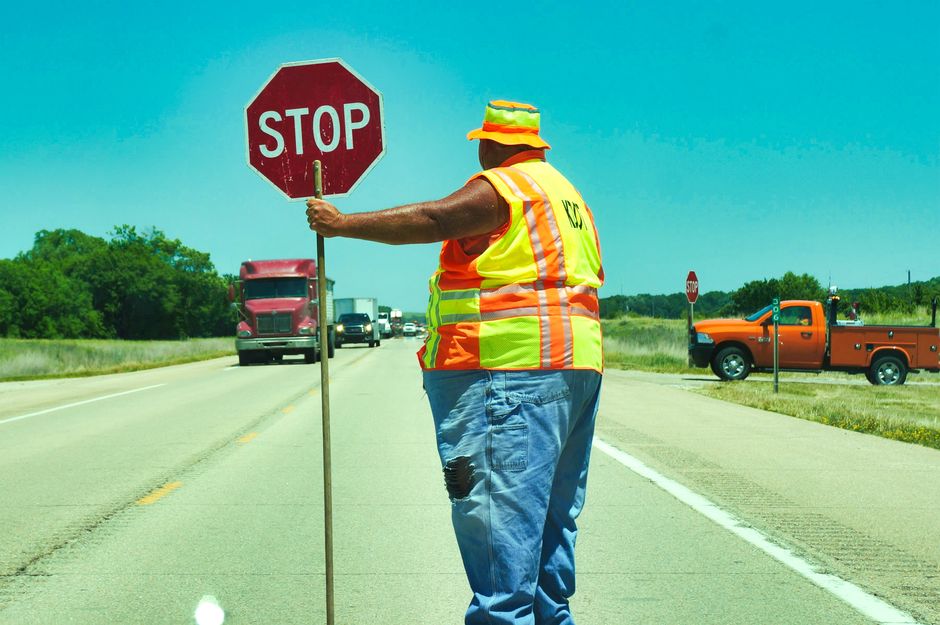
Local residents will sometimes see temporary road closures or reroutes after such incidents, which are measures to ensure public safety and environmental protection.
What Paperwork and Legal Rules Are Part of the Job?
Regulatory compliance is at the heart of Hazmat trucking. Drivers in the community must keep up-to-date on both Illinois regulations and federal laws like the Hazardous Materials Transportation Act. Typical documentation includes:
- Shipping papers listing contents, hazard class, and route.
- Certifications of training, inspection records, and driver credentials.
- Emergency contact information in case first responders need quick access.
If a driver is stopped for an inspection by state police or other authorities, all documentation must be easily presented. Fines and penalties for even minor lapses can be significant, affecting not just drivers but also public safety.
How Does the Job Affect Daily Life and Health?
Driving a Hazmat truck in Belleville can be demanding, both physically and mentally. These drivers:
- Spend long hours on local highways, rural roads, and industrial routes, sometimes working shifts that limit family and social time.
- Rely on careful diet and rest scheduling because irregular hours and stress can affect concentration and physical health.
- Deal with solitude during long trips, offset by occasional calls with dispatch or check-ins with other drivers at area rest stops.
Despite these challenges, many drivers report a strong sense of responsibility and community pride in supporting the safe operation of business and industry across the city. The job is not for everyone, but it is an essential part of everyday safety and economic activity for area residents.
What Should Residents Know When Sharing the Road?
Awareness and caution matter when sharing Belleville’s roads with Hazmat trucks:
- Leave extra space when trucks are turning or merging—these vehicles are longer and heavier, requiring more time to stop.
- Never attempt to pass hazmat vehicles on narrow or icy roads often found in residential areas during winter.
- Respect warning placards and flashing lights, especially near rail crossings or construction zones.
For local residents, understanding that Hazmat drivers are rigorously trained and monitored can reduce anxieties about these vehicles operating in the community.