

 See My Latest Article on HelloNation
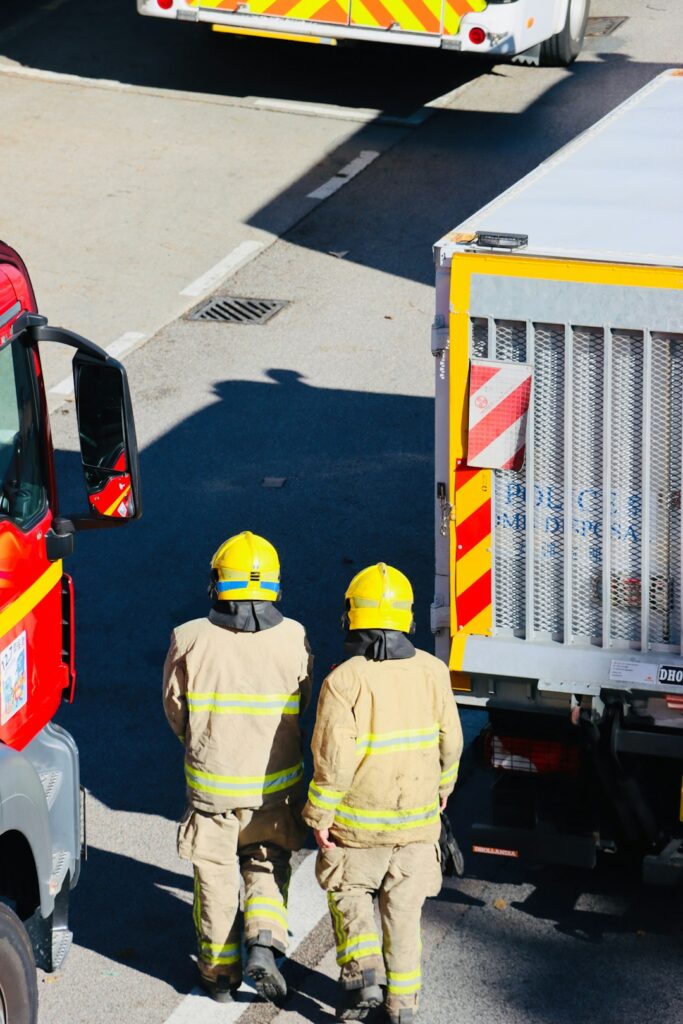
What is an emergency response plan for a hazmat incident?
An emergency response plan is a coordinated set of procedures for identifying a hazardous material, protecting people, notifying authorities, controlling the scene, and beginning cleanup. For transportation incidents, the plan connects the driver, carrier, shipper, emergency dispatchers, firefighters, law enforcement, medical personnel, environmental officials, and local emergency managers.
The plan is designed for the first minutes and hours after an incident, when information may be incomplete and conditions can change quickly. A truck crash, overturned tanker, leaking container, vehicle fire, or collision near a roadway can require different protective actions depending on the material, weather, wind direction, terrain, and nearby homes or public buildings.
For residents of Belleville, IL, the most useful part of an emergency plan is knowing what information to trust and what actions to take if officials issue an evacuation or shelter-in-place order.
What information must be available during a hazmat transportation incident?
Hazmat shipments are required to carry written emergency response information that identifies the material and explains its immediate hazards. This information generally covers fire and explosion risks, health dangers, recommended precautions, spill or leak response, firefighting considerations, and initial first-aid measures.
Shipping papers and emergency response documents also help responders determine:
- The material’s proper shipping name and identification number
- The type and quantity of material being transported
- The container or cargo tank involved
- Immediate hazards from fire, inhalation, skin contact, or exposure to water
- Recommended isolation and protective action distances
- An emergency telephone number monitored while the material is in transportation
First responders may also use the current U.S. Department of Transportation Emergency Response Guidebook. The guidebook is intended for the initial phase of a transportation incident, before more detailed information from the shipper, carrier, manufacturer, or technical specialists becomes available.
Residents should not approach a damaged truck to read a placard or ask the driver what happened. A placard may help trained responders identify a hazard, but viewing it may place an unprotected person too close to a toxic vapor, flammable liquid, corrosive substance, or unstable container.
Who activates the emergency response plan?
The plan may begin with the driver, a dispatcher, a witness, a law enforcement officer, or a 911 call. Anyone who sees a suspected hazardous-material release should move away from the area and report it from a safe location.
A useful report includes:
- The exact location or nearest recognizable landmark
- Whether there is fire, smoke, vapor, liquid, or a strong unusual odor
- Whether a truck is overturned, damaged, or leaking
- Any visible placard, label, identification number, or shipping information
- Injuries or people who may be trapped
- Wind direction, if it can be observed safely
- Nearby homes, schools, businesses, waterways, or heavily traveled roads
Do not assume a clear liquid is harmless. Some hazardous materials are colorless, and some dangerous vapors may not have a noticeable odor. If a material is unknown, describe what can be seen without guessing what the substance is.
Should residents evacuate or shelter in place?
Residents should follow the specific instructions issued by emergency officials. Evacuation is appropriate when officials determine that leaving the area is safer than remaining indoors. Shelter in place is used when moving outdoors could expose people to a vapor cloud, smoke, fire, or contaminated area.
A shelter-in-place instruction commonly means:
- Go indoors immediately.
- Close and lock windows and exterior doors.
- Turn off heating, ventilation, and air-conditioning systems if possible.
- Move to an interior room away from windows.
- Bring pets inside unless officials provide different instructions.
- Monitor official alerts and avoid unnecessary phone calls.
- Do not leave until officials announce that it is safe.
Older homes, attached housing, apartments, and buildings with shared ventilation may respond differently to outside air contamination. People with respiratory conditions should keep prescribed emergency medication accessible, but should not delay leaving if officials order evacuation.

During hot, humid, or stormy weather, residents may be tempted to open windows or use fans. That can draw outdoor air into a building during a vapor release. Follow the emergency instructions rather than relying on normal ventilation habits.
What should people do if they are near the crash?
Move uphill and upwind when that can be done safely, and create as much distance as possible from the incident. Do not walk through smoke, mist, pooled liquid, residue, or a visible vapor cloud. Avoid touching the truck, cargo, roadway, soil, vegetation, or personal belongings that may have been exposed.
If clothing or skin may have been contaminated, move away from the source and wait for instructions from emergency personnel. Do not attempt to wash chemicals into a storm drain, sewer, ditch, creek, or household plumbing. Do not return to collect items from a vehicle or home in the restricted area.
People who may have inhaled a substance or had contact with it should tell responders exactly what happened, including the time of exposure and any symptoms. Symptoms can sometimes be delayed, so feeling normal immediately does not always mean exposure did not occur.
How do emergency officials decide what actions to take?
Responders evaluate the material, amount released, container condition, fire risk, wind, temperature, terrain, drainage, traffic, and nearby population. A small leak of one material may require a different response from a larger release of another material.
The response may include traffic control, isolation of the area, evacuation, shelter-in-place instructions, fire suppression, air monitoring, medical evaluation, product transfer, spill containment, and environmental cleanup. A road closure can continue after the visible leak has stopped because containers, pavement, soil, or drainage systems may still require testing.
Emergency response plans also depend on coordination. Fire and law enforcement personnel may secure the scene while hazmat specialists identify the substance and select protective equipment. The carrier or shipper may provide technical advice, replacement containers, cleanup support, or specialized equipment. Local emergency managers may coordinate public warnings and recovery activities.
What are common mistakes during a hazmat incident?
Several actions can increase danger:
- Driving toward the incident to see what happened
- Taking photographs from close range
- Relying on odor alone to judge whether air is safe
- Blocking emergency vehicles
- Starting a vehicle near a spill or vapor cloud
- Using a phone outdoors near a suspected flammable release
- Spreading unverified information on social media
- Re-entering an evacuated area before the official all-clear
- Cleaning contaminated clothing or objects without instructions
A hazmat response may look slow because responders are working cautiously. Identifying the material, selecting protective equipment, stopping the release, and confirming that an area is safe can take time.
How can households prepare before an incident?
Preparation does not require special equipment. Households can keep emergency alerts enabled, learn how to shut off heating and cooling systems, maintain a basic supply of water and medication, and identify an interior room with few windows. Families should also make a plan for children, older adults, people with disabilities, and pets.
Keep important medical information available in case evacuation is ordered. If household members work different shifts or travel through Belleville, agree on how to receive instructions and where to reconnect after authorities establish a safe meeting location.
The most reliable response is simple: move away from danger, call 911 from a safe location, provide clear observations, follow official evacuation or shelter instructions, and wait for trained responders to determine when the area is safe.