

 See My Latest Article on HelloNation
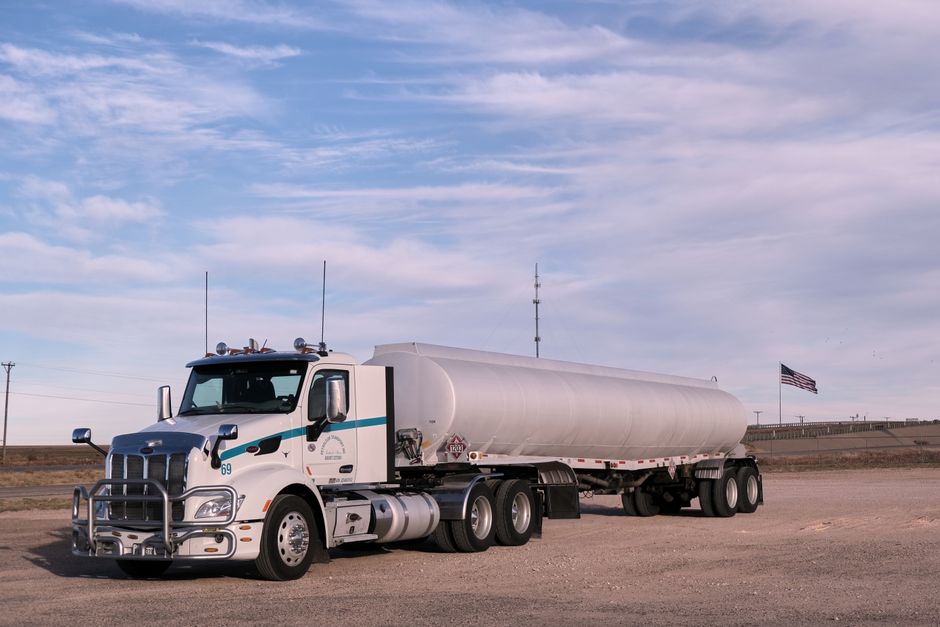
What does a hazmat endorsement allow a driver to do?
A hazardous materials endorsement allows a commercial driver to operate a vehicle transporting regulated hazardous materials that require placards. The endorsement is added to a commercial driver’s license, or CDL, after the driver meets special testing, training, and security requirements.
The purpose is not simply to identify drivers who carry dangerous cargo. It confirms that the driver understands additional rules for transporting materials that may be flammable, poisonous, corrosive, explosive, radioactive, or otherwise capable of causing serious harm.
A driver may need this endorsement even when the vehicle is smaller than a typical tractor-trailer. The requirement depends largely on the type and quantity of hazardous material being transported, whether placards are required, and whether the transportation is conducted in commerce.
Why are special credentials required for hazardous materials?
Hazardous cargo can create risks that ordinary freight does not. A collision, fire, spill, or loading mistake may affect other drivers, emergency responders, nearby properties, and the surrounding environment.
A driver hauling regulated materials must be able to do more than control the vehicle. The driver may also need to:
- Recognize shipping papers, labels, placards, and package markings
- Inspect cargo and secure it properly
- Understand segregation rules for materials that should not be transported together
- Follow route, parking, and attendance requirements
- Respond appropriately to a leak, fire, crash, or damaged container
- Provide accurate information to emergency responders
- Know when a shipment must not be moved
The endorsement creates a minimum knowledge standard before a driver is trusted with this responsibility. It also gives enforcement officers and emergency personnel a clear way to identify that the driver has completed the required hazmat qualification process.
Does every driver carrying a hazardous product need the endorsement?
No. The endorsement is generally required when the material falls under federal hazardous-materials rules and must be placarded for transportation. Not every product that seems hazardous to a household or worker meets that threshold.
For example, certain consumer products, limited quantities, agricultural materials, fuels, and other shipments may be subject to exceptions or different requirements. A product’s hazard classification, packaging, quantity, transportation purpose, and placarding status all matter.
That means a driver should not decide based only on the product’s everyday name. A material described casually as “cleaner,” “fuel,” “chemical,” or “gas” may be regulated differently depending on its concentration, container, and amount.
The safest practical rule is this: if a commercial vehicle will transport a shipment requiring hazardous-materials placards, the driver should have the required hazmat qualification before operating that vehicle. Employers and drivers must also follow the shipping and vehicle requirements that apply to the specific cargo.
What is the difference between an H endorsement and an X endorsement?
The H endorsement is for hazardous materials. The X endorsement combines the hazardous materials qualification with the tank vehicle qualification.
A tank endorsement may be required when a commercial vehicle transports liquids or gases in a qualifying tank. If the tank contains hazardous material that also requires placarding, the combined X endorsement may be appropriate instead of holding separate H and N endorsements.
The endorsement does not replace other CDL requirements. A driver may still need the correct CDL class, medical qualification, vehicle-specific training, and any other endorsement or restriction required for the assignment.
What does a driver have to complete to obtain the endorsement?
The process involves more than taking a written exam. In Illinois, a driver seeking an H or X endorsement must complete a Transportation Security Administration security threat assessment before taking the hazardous-materials knowledge test.
That process generally includes:
- Completing the required pre-enrollment information
- Providing identity and citizenship or immigration eligibility documents
- Submitting fingerprints at an approved enrollment location
- Paying the applicable assessment fee
- Waiting for TSA clearance
- Completing required entry-level driver training, when applicable
- Passing the hazardous materials knowledge test
Since February 7, 2022, applicants adding an H endorsement generally must complete federally required entry-level driver training before taking the hazmat test. Training must be completed through a provider listed in the federal Training Provider Registry.
The endorsement is not placed on the CDL until the required approval and testing steps are complete.
Why is a background check part of the process?
Certain hazardous materials could be used to cause large-scale harm if obtained or handled by someone who presents a security threat. The federal security assessment is intended to reduce that risk.
The assessment is separate from ordinary driver-safety testing. Passing a driving test demonstrates vehicle-control skills, while the TSA review addresses whether the applicant is eligible to receive authorization to transport regulated hazardous materials.
This does not mean every hazmat driver is suspected of wrongdoing. It reflects the security-sensitive nature of some cargo and the need for additional screening before access is granted.
How often must the endorsement be renewed in Illinois?
Drivers who want to keep an H or X endorsement must complete the required security assessment and hazardous-materials knowledge testing again during CDL renewal. Illinois advises drivers to begin the renewal process well before the CDL expiration date because TSA processing and scheduling can take time.
Starting at least 60 days before expiration is a practical safeguard. Waiting until the last minute may create a gap in eligibility, particularly if the security assessment has not been completed or cleared.
A driver who no longer needs the H or X endorsement may renew the CDL without retaining that endorsement. However, removing it means the driver cannot legally operate a vehicle requiring that qualification until the endorsement is properly restored.
What does this mean for drivers in Belleville, IL?
Local commercial traffic can include fuel, industrial materials, agricultural products, compressed gases, cleaning agents, and other regulated cargo moving through a mix of residential streets, business districts, highways, and industrial areas.
Weather and road conditions can add practical challenges. Winter freezing, heavy rain, reduced visibility, construction activity, and congestion may make stopping, inspecting cargo, or managing a minor incident more difficult. A driver hauling hazardous materials must plan for those conditions while also following federal and state rules.
Residents may notice placarded vehicles near homes, schools, workplaces, or busy transportation corridors. Placards do not automatically mean a truck is unsafe or involved in an emergency. They are required warning signs that help firefighters, police officers, transportation officials, and other responders identify the general hazards involved if an incident occurs.
What is a common misconception about hazmat endorsements?
A common misunderstanding is that the endorsement proves a driver can transport any hazardous material under any circumstance. It does not.
The endorsement is one part of a larger compliance system. The shipment must be properly classified, packaged, marked, labeled, documented, loaded, secured, and transported in an authorized vehicle. The carrier and shipper also have separate responsibilities, and hazmat employees may need additional training related to their specific duties.
Another misconception is that a hazmat endorsement is only about emergency response. Prevention is equally important. Correct loading, inspection, paperwork, parking, routing, and communication can reduce the likelihood that an incident occurs in the first place.
The endorsement requirement exists because hazardous-materials transportation demands specialized knowledge, added security screening, and careful judgment. It protects the driver, other road users, emergency responders, area households, and the broader community.